6 hr 30 min
Mauritius Plantation Heritage Tour with Lunch
- Expert local guide
- Small group
- Skip-the-line access
- Free cancellation
Bois Chéri Tea Factory — Mauritius Tea Tour, Museum & Tasting
Green hills wake early, the kettle answers later.
Compare fares, pick the fit — all bookings are mobile-voucher and eligible for free cancellation where shown.
6 hr 30 min
7 hr
9 hr
| Experience | Duration | Rating | Skip-the-line | Guide | Small group | Free cancel. | Price | |
|---|---|---|---|---|---|---|---|---|
|
Guided Experience
Most popular
Mauritius Plantation Heritage Tour with Lunch
|
6 hr 30 min | ★ 4.8 | ✓ | ✓ | ✓ | ✓ | €302 | Book → |
|
Guided Experience
Mauritius Heritage Trail: Tea, Rum & Vanilla Experience
|
7 hr | ★ 4.8 | ✓ | ✓ | ✓ | ✓ | €268 | Book → |
|
Guided Experience
South Coast Discovery with Tea Estate & Dramatic Cliffs
|
9 hr | ★ 4.7 | ✓ | ✓ | ✓ | ✓ | $87 | Book → |
Worth it for tea lovers and inland-route travellers
The mauritius tea tour at Bois Chéri costs 550 MUR per person, and that single ticket covers the museum, the working factory floor, and a guided tasting — three separate paid experiences at most plantations elsewhere. Against market expectations on the island, where a standalone tasting alone often runs close to that figure, the bundle reads fair rather than cheap. What you actually get is the full chain: withering troughs, rolling drums, the oxidation and drying rooms, then a flight of black, vanilla, and coconut infusions poured beside the plantation reservoir. Arrive between 09:00 and 11:00, when production is running, or the value drops sharply — an idle factory is just a warm shed. Bois Chéri tea plantation tours pay off for anyone curious about how a leaf becomes a cup, for families wanting an inland stop between the coasts, and for tea drinkers who will buy leaf afterwards. Beach-focused travellers chasing lagoon time will find the money better spent elsewhere.
Bottom line: Book mauritius tea tour tickets if you care how tea is made — the 550 MUR earns its keep before you reach the tasting table.
Hand-picked experiences loved by thousands of travelers
7 hours
Free Cancellation
Journey through Mauritius's oldest tea estate and wildlife reserve on this full-day cultural adventure
7 hours
Free Cancellation
Journey through misty highlands visiting historic tea estates, colonial mansions, and spice plantations
8 hours
Free Cancellation
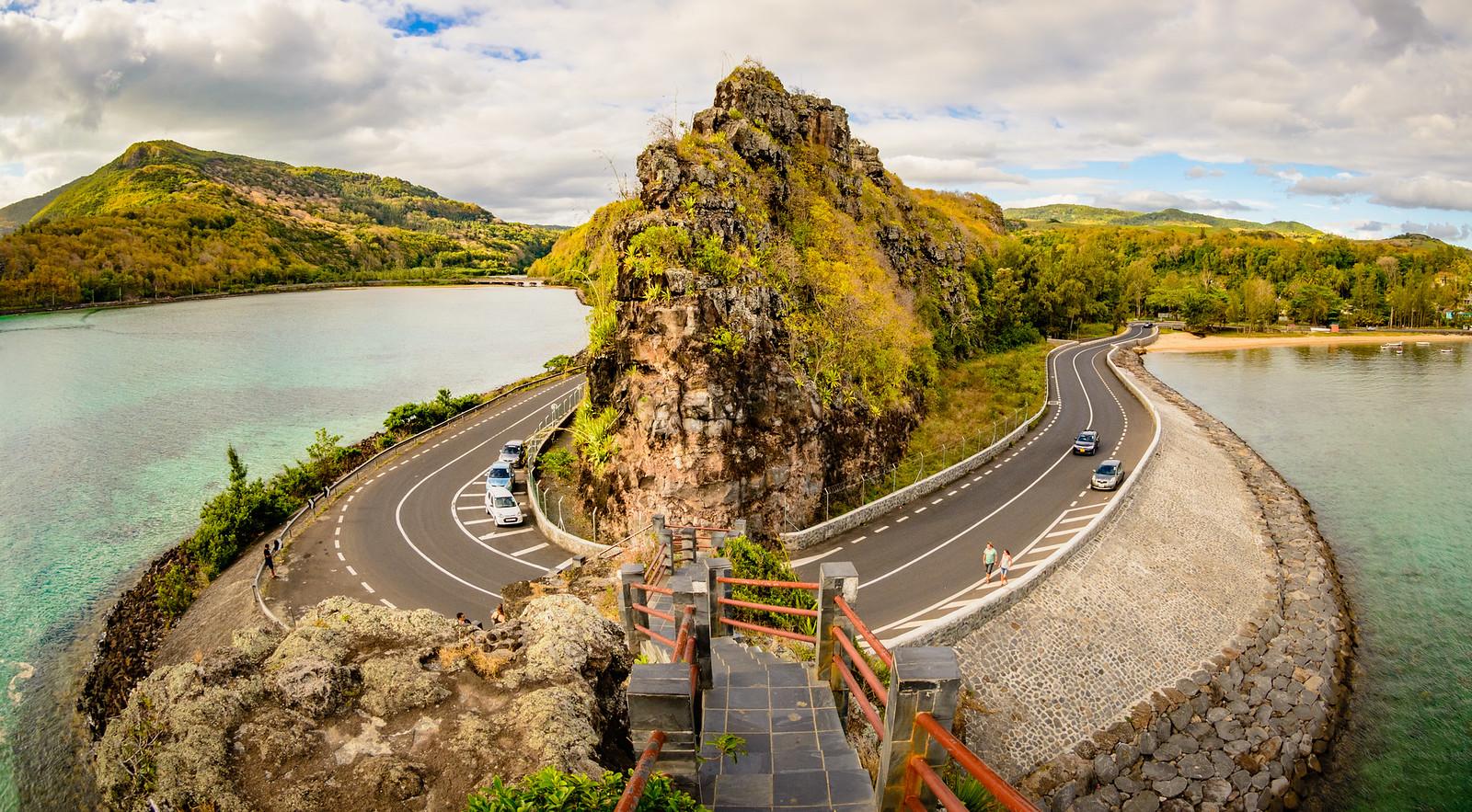
Explore southern Mauritius with temple visits, mountain vistas, waterfall views, and authentic tea tasting
8 hours
Free Cancellation
Full-day journey through volcanic craters, sacred waters, lush forests, and fragrant tea estates
8 hours
Free Cancellation
Experience volcanic craters, sacred temples, tea plantations, and mountain lakes in one unforgettable day
2 hours
Free Cancellation
Navigate rugged trails through a pristine wilderness on an adrenaline-pumping off-road buggy expedition
1.5 hours
Free Cancellation
Explore Mauritius' exclusive coffee estate, from volcanic soil to aromatic cup, with expert-led tastings
Explore the 19th-century history of local tea production and heritage.
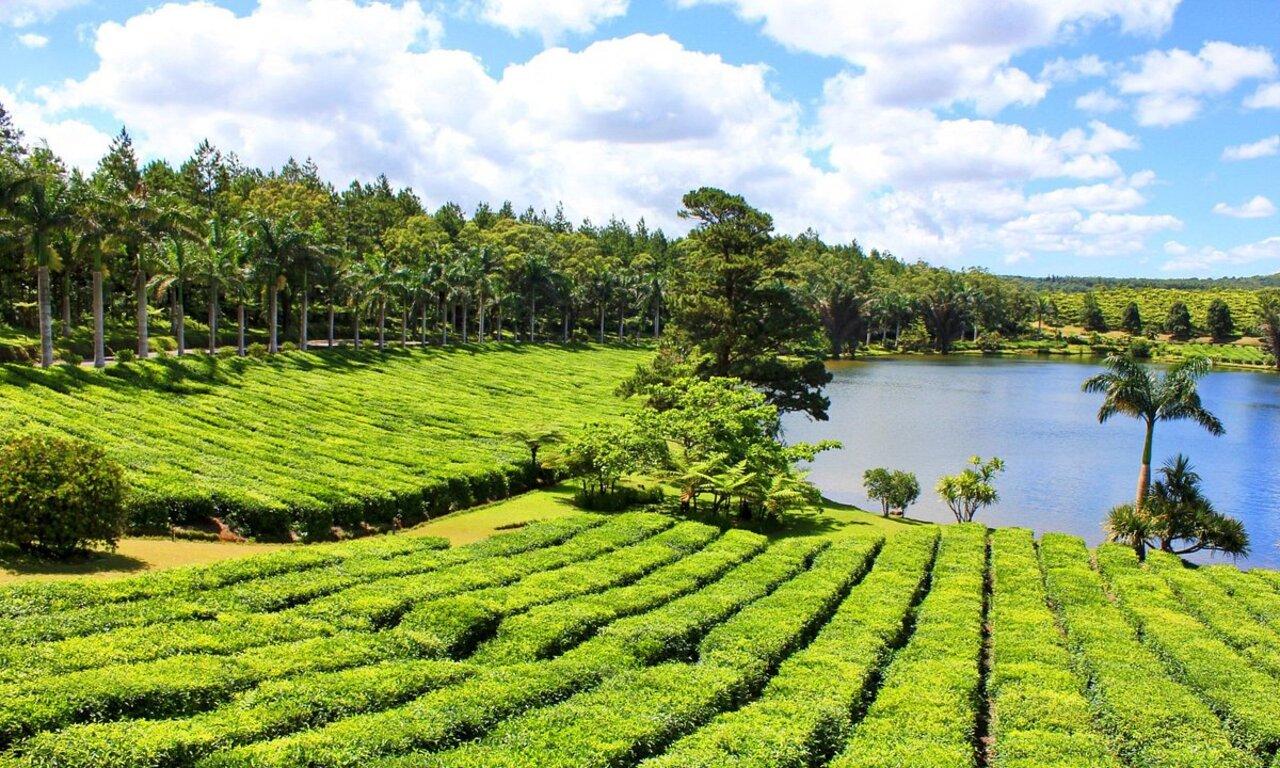
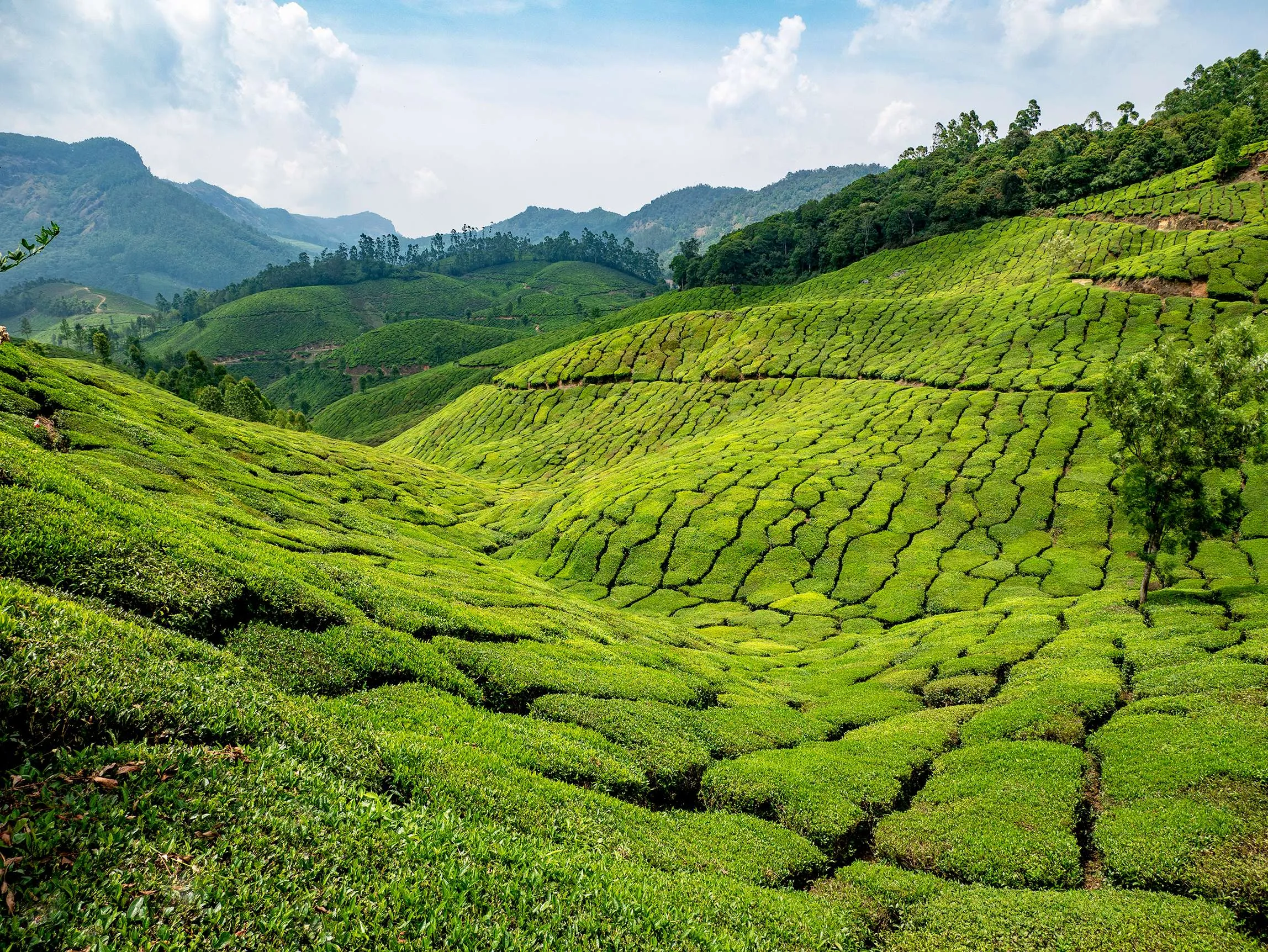
Walk through 250 hectares of verdant hillsides providing raw leaves.
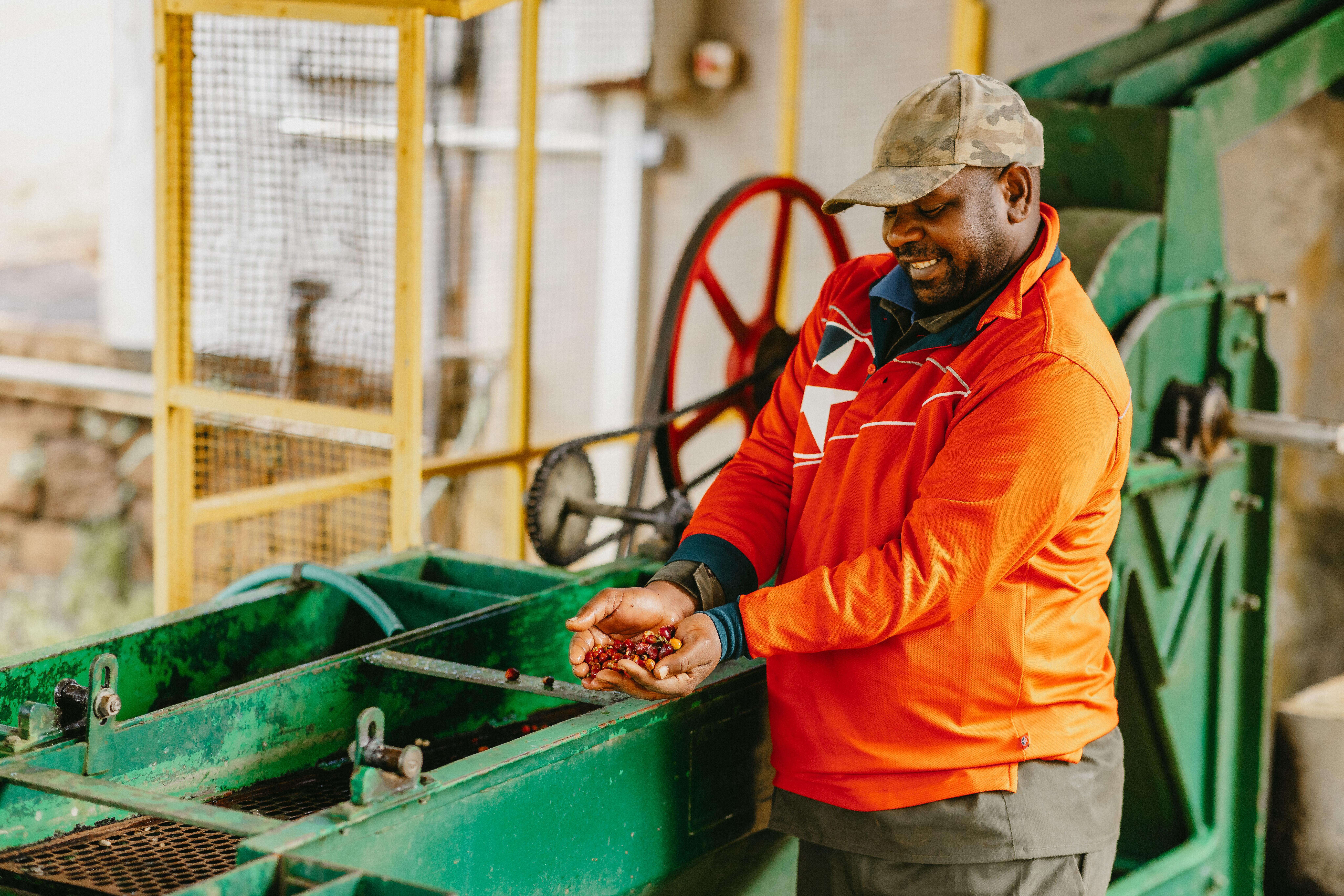
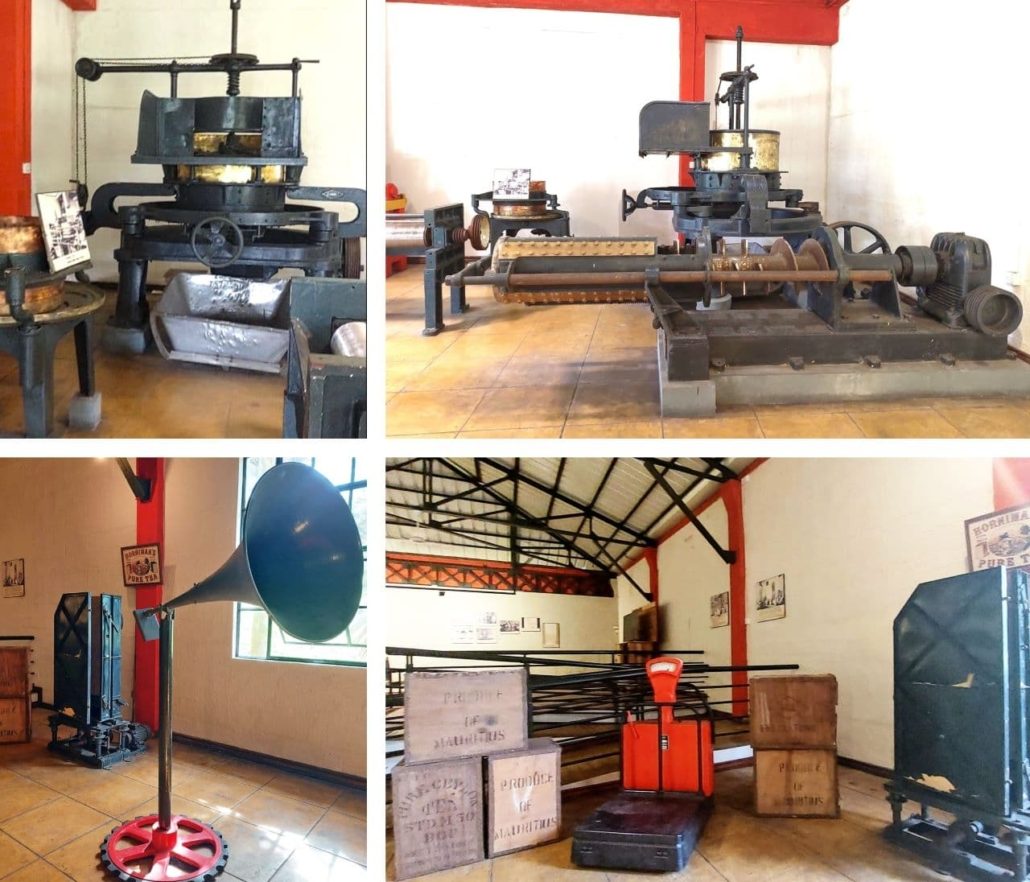
Observe the withering, rolling, and drying processes of mauritian tea.
Sample diverse flavored teas including vanilla and coconut blends.
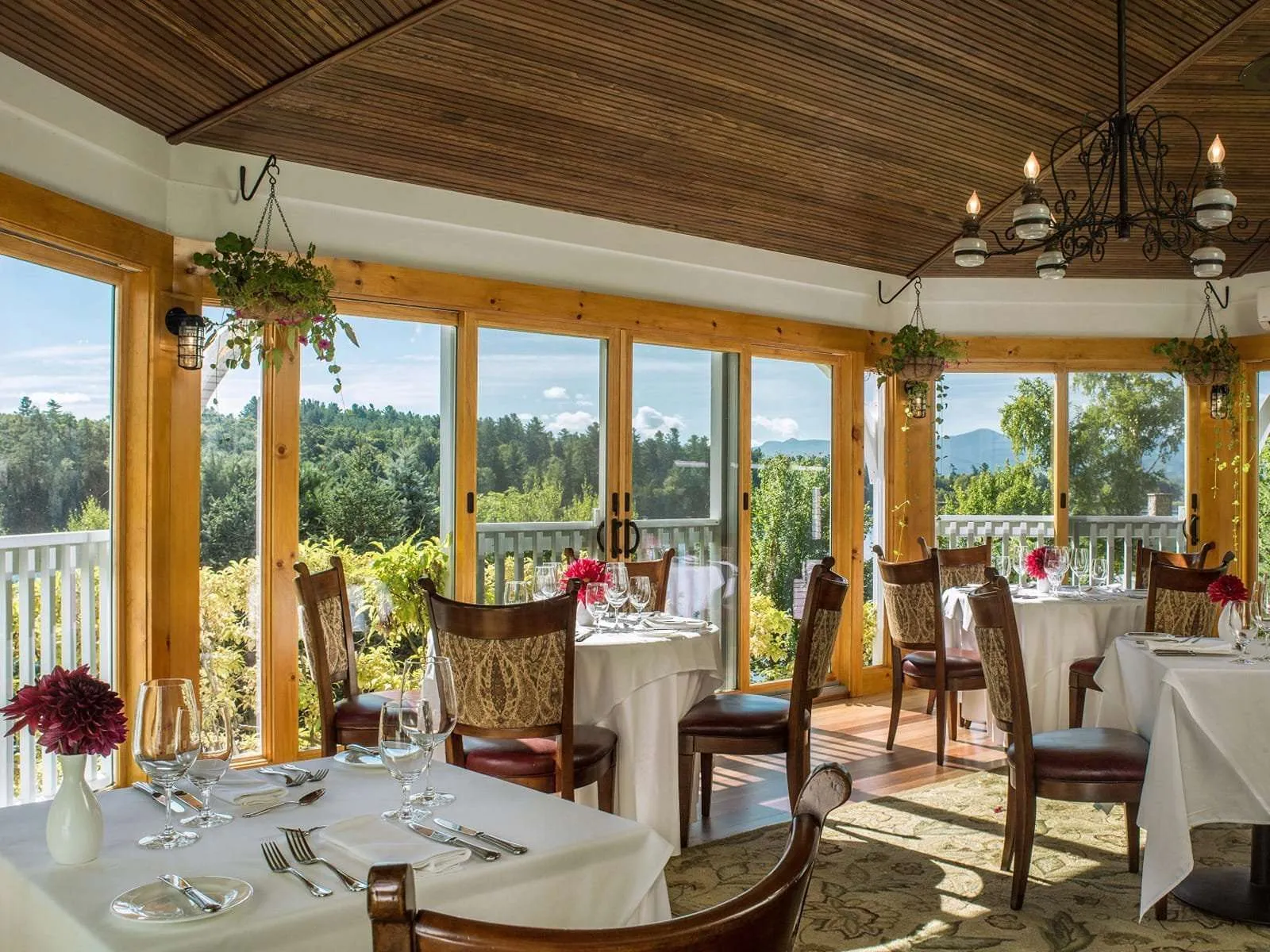
Dine while overlooking the lake and south coast hills.
You turn off the Bois Chéri Road and climb, and the sugarcane gives way to low green terraces that follow the contour lines. Arrive between 09:00 and 11:00 — production runs mainly in the morning, and the factory floor is quiet by afternoon. The gate opens at 09:00 and the site works to 17:00, seven days a week.
You pay 550 MUR, which covers the museum, the factory walk and the tasting. Start in the museum: ledgers, crate stencils, and the plucking baskets that carried leaf down these slopes for a century. Then you cross to the plant, where the smell changes — grassy at the withering troughs, sharper and darker where oxidation happens. You watch leaf move from drum to bed to sorting screen, and a guide explains the grading vocabulary in the room where the grading actually occurs.
The tasting comes last. You sit with a flight of the estate's blends, including the vanilla-infused version that anchors most mauritian tea recipe searches, and you compare the unflavoured leaf against it. Milk and sugar are on the table; the guides suggest trying one cup without both.
From there you step outside to the terrace, where the hills fall away toward the reservoir and the coast beyond. Most mauritius tea tour visitors linger here longer than they planned. Bring a light layer — the highland air runs several degrees cooler than the beach you drove from.
All the details about your upcoming adventure in one place
Set on a highland plateau in Savanne, Bois Chéri is the island's oldest working tea estate, where a mauritius tea tour walks you from the plucking fields through the withering troughs, rolling machines and sorting room of the 1892 factory. Guides explain how Camellia sinensis leaf becomes the vanilla-scented black tea Mauritians drink daily, and the route ends at the hilltop colonial chalet overlooking Lake Bois Chéri. Most mauritius tea tour tickets bundle the estate museum, the production floor and a guided tasting of the estate blends.
The first commercial tea bushes on Mauritius were not planted for profit but for insurance — a hedge against sugar, the crop that had made and nearly unmade the island's economy.
Bois Chéri, opened in 1892 on the volcanic uplands of Savanne, became the country's largest producer and remains its oldest working tea estate. Camellia sinensis found in the district's acidic soil and near-constant cloud cover something close to its Himalayan preference, at a latitude nobody expected it to tolerate.
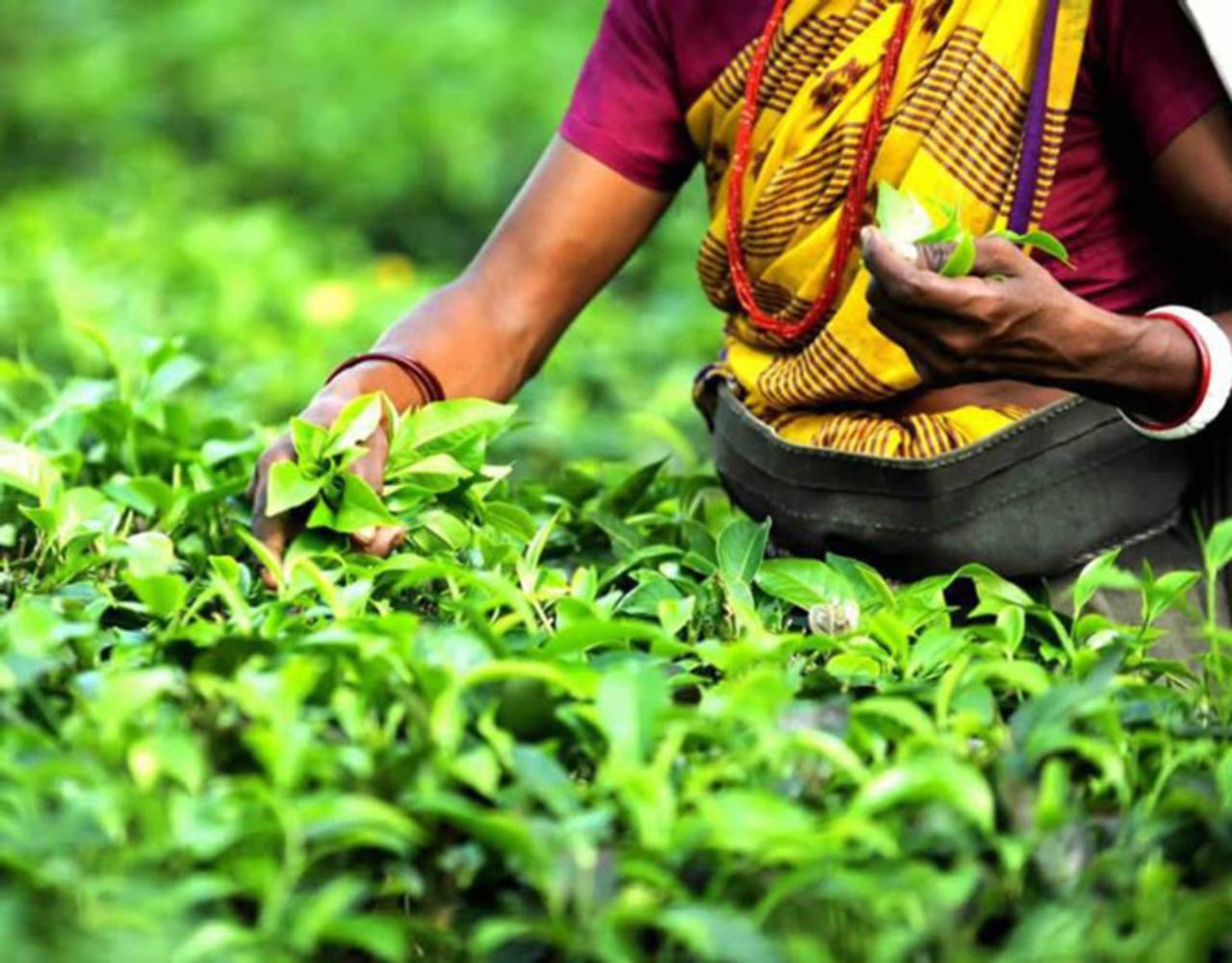
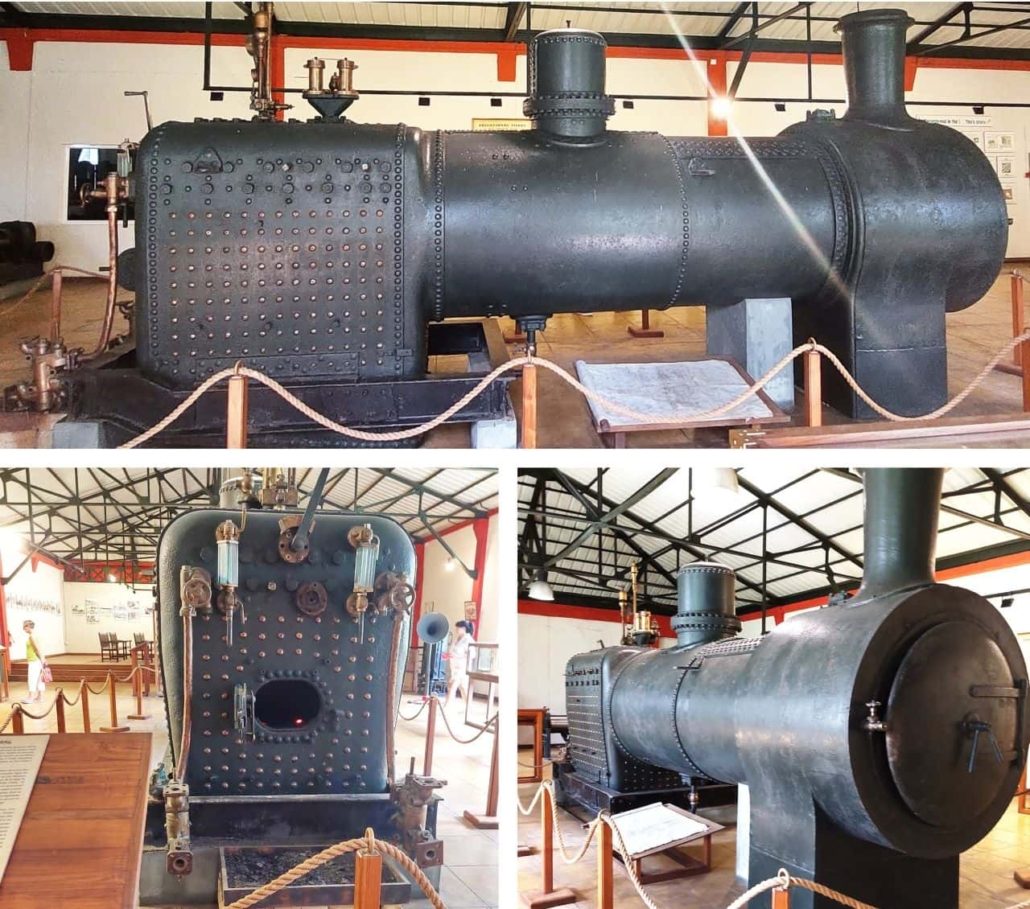
A mauritius tea tour here moves through three registers at once: agricultural, industrial and domestic. The plantation covers roughly 250 hectares of terraced hillside above Rivière des Anguilles, plucked by hand in the old two-leaves-and-a-bud method. The factory below is a working plant, not a reconstruction — withering troughs, rolling drums, oxidation beds and the sorting screens that separate broken orange pekoe from fannings and dust. Machinery installed in the mid-twentieth century still runs beside newer equipment, and the noise is part of the record.
The estate museum occupies a colonial-era building and holds the archive that gives the mauritius tea factory tour its weight: crate stencils, ledgers, photographs of the Indian and Creole labour that built the terraces, and displays on the vanilla-scented blend that became the island's signature. That flavouring — a Mauritian tea recipe adapted from local vanilla pods rather than imported bergamot — is the reason the estate's leaf tastes unlike Assam or Ceylon despite sharing their processing grammar.
What the mauritius tea plantation tour ultimately preserves is a landscape logic. The Savanne highlands catch the southeast trade winds; rain falls here when the coast stays dry, and the reservoir lakes below the terraces exist because of it. Saint Aubin, the sister estate a short drive away, extends the same agricultural story into rum and vanilla, and the two are often visited as linked Mauritius landmarks rather than separately.
Questions like whether there are any tea plantations in the UK make the point by contrast: latitude, altitude and rainfall conspire rarely, and Cornwall's single estate is the European exception that proves the rule. Bois Chéri sits at around 550 metres, high enough for slow leaf growth and concentrated flavour, low enough to stay workable year-round. Visitors weighing the mauritius tour cost against a mauritius tea tour tour of the site are, in effect, buying access to a continuous 134-year manufacturing line — one of the few on the island still open to the public and still producing.

The first tea bushes on Mauritius were planted not for profit but as insurance against sugar.
Casual attire is recommended for a mauritius tea tour. Due to the hilly terrain and factory floor environment, wear comfortable, closed-toe footwear.
Large bags are discouraged as the factory production space is confined. Visitors must remain within designated public zones during their mauritius tea tour.
Photography is encouraged throughout the mauritius tea tour. Please avoid obstructing the walkway or the tea-drying observation platform.
The mauritius tea tour is educational, but please note that small children may find the loud machinery noise and warm factory atmosphere uncomfortable. Supervision is required at all times.
Access during a mauritius tea tour is limited to the first floor. Note that the production area can be steep and uneven, which may be challenging for those with mobility aids.
Outside food is not permitted. Your entrance fee of 550 MUR includes a curated tea tasting experience, with additional dining options available at the on-site restaurant.
Opening hours
09:00–17:00
Address
Bois Chéri Road, Savanne, Mauritius
Accessibility
First floor access only
Best arrival window
09:00–11:00
Storage
Not available
All sales are final. No refunds or rescheduling are provided for missed sessions or if visitors arrive after the primary morning tea production window.
Recommended time
2-3 hours
Allocating two to three hours allows visitors to fully experience the mauritius tea tour without feeling rushed through the heritage museum and production lines. This timeframe covers the guided walk, a walk through the tea fields, and a relaxed session to sample various infusions. Securing your mauritius tea tour tickets early ensures you can navigate the facility before peak arrival times increase wait periods for mauritius tea tour tours. Whether you seek a quick look at the processing machinery or wish to linger over the highland views, these mauritius tea tour tour slots provide sufficient flexibility.
Crowd levels through the day
Bois Chéri began in 1892, when the Compagnie de Bois Chéri planted the first commercial tea bushes on the cool southern uplands of Savanne. The site was chosen for altitude and rainfall. Camellia sinensis had reached the island earlier, carried by French missionaries in the eighteenth century, but this was the first plantation organised at industrial scale. The factory followed the fields, its machinery built around withering troughs, rolling drums, and the fermentation tables that still define the mauritius tea tour today. The estate's fortunes turned with sugar. When cane prices faltered in the 1960s, the newly independent government promoted tea as a diversification crop, and Bois Chéri expanded to become the country's largest producer. Liberalisation in the 1990s reversed that momentum. Subsidies ended, competitors closed, and the estate survived by turning its own history into an asset. The museum opened in the former manager's quarters, displaying colonial-era sorting machines, brass scales, and photographs of the pickers who worked these slopes. Heritage tourism replaced volume production as the estate's public face. Today Bois Chéri operates within the Domaine de Saint Aubin network, part of the wider circuit of Savanne landmarks that draws visitors south from Curepipe. Vanilla tea remains the signature blend. The estate is open daily from 09:00 to 17:00, and the working floor is best seen early, since tea production processes occur primarily in the morning. Mauritius tea tour tickets cost 550 MUR per person, covering museum, factory, and tasting. Guided mauritius tea tour tours end at the hilltop tasting pavilion above Lake Bois Chéri, where the plantation reads as one continuous green terrace. What survives is not a reconstruction. The rollers still turn, the graded leaf still moves through the sorting room, and a mauritius tea tour tour follows the same sequence the estate has used for over a century.
French missionaries introduce Camellia sinensis to Mauritius as an ornamental and experimental crop.
The Bois Chéri estate is founded in Savanne, establishing the island's first large-scale commercial tea plantation.
The factory is built beside the fields, equipped with withering troughs, rolling drums and fermentation tables.
Post-independence diversification policy promotes tea over sugar, and Bois Chéri becomes the country's largest producer.
Market liberalisation ends state support, forcing the estate to consolidate its acreage and reduce output.
The museum opens in the former estate buildings, and Bois Chéri joins the Domaine de Saint Aubin heritage route.
The estate operates daily from 09:00 to 17:00, combining working production with museum and tasting visits.
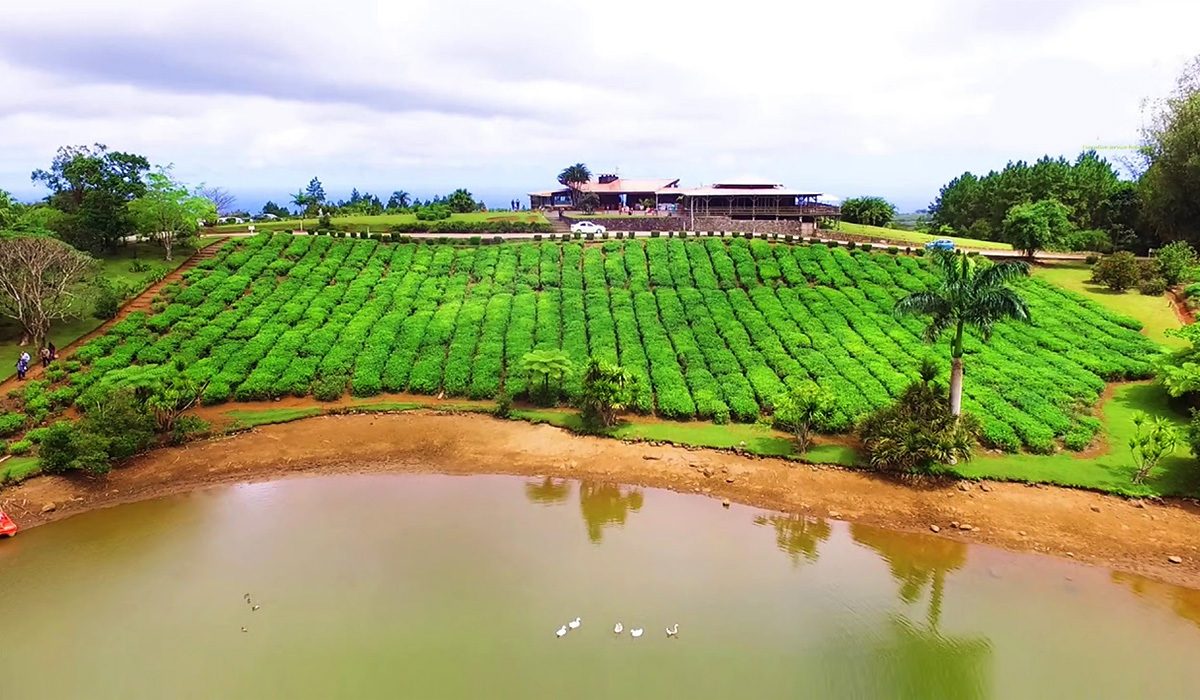
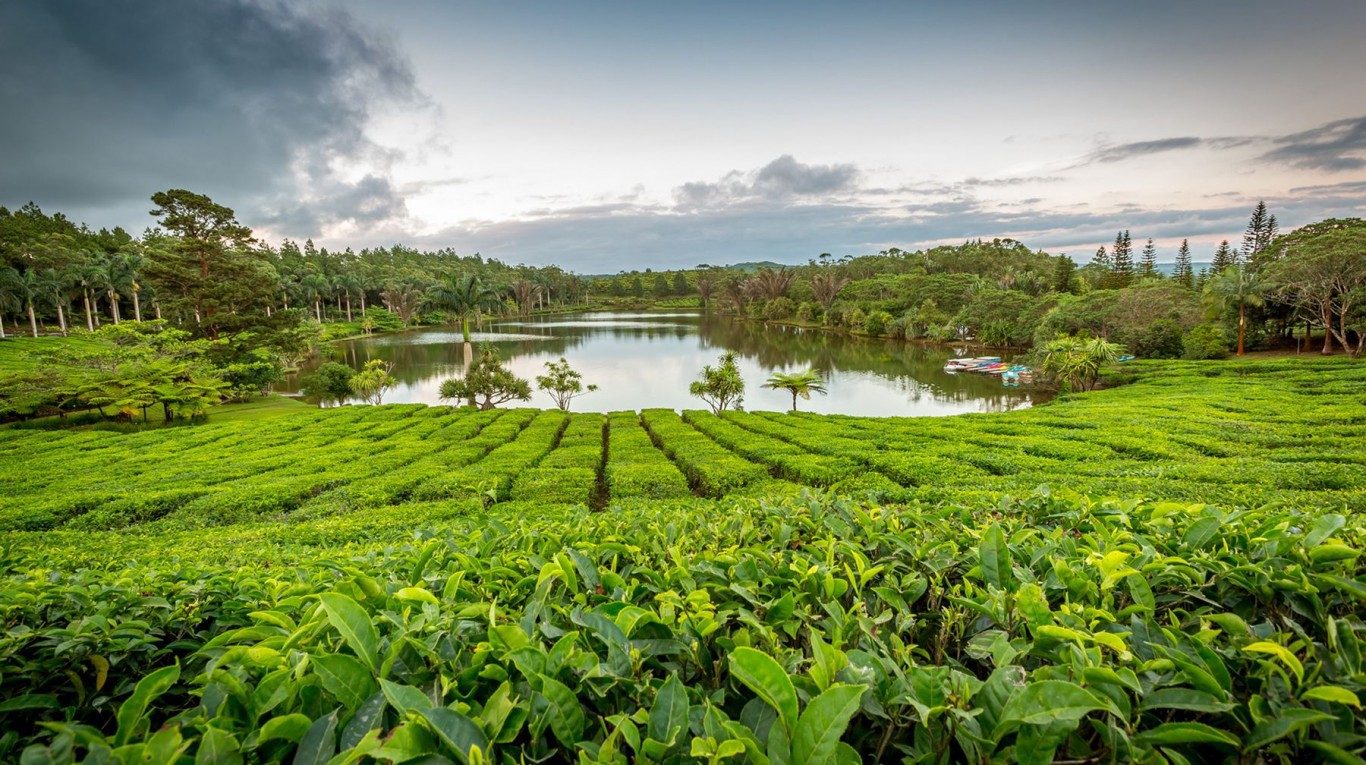
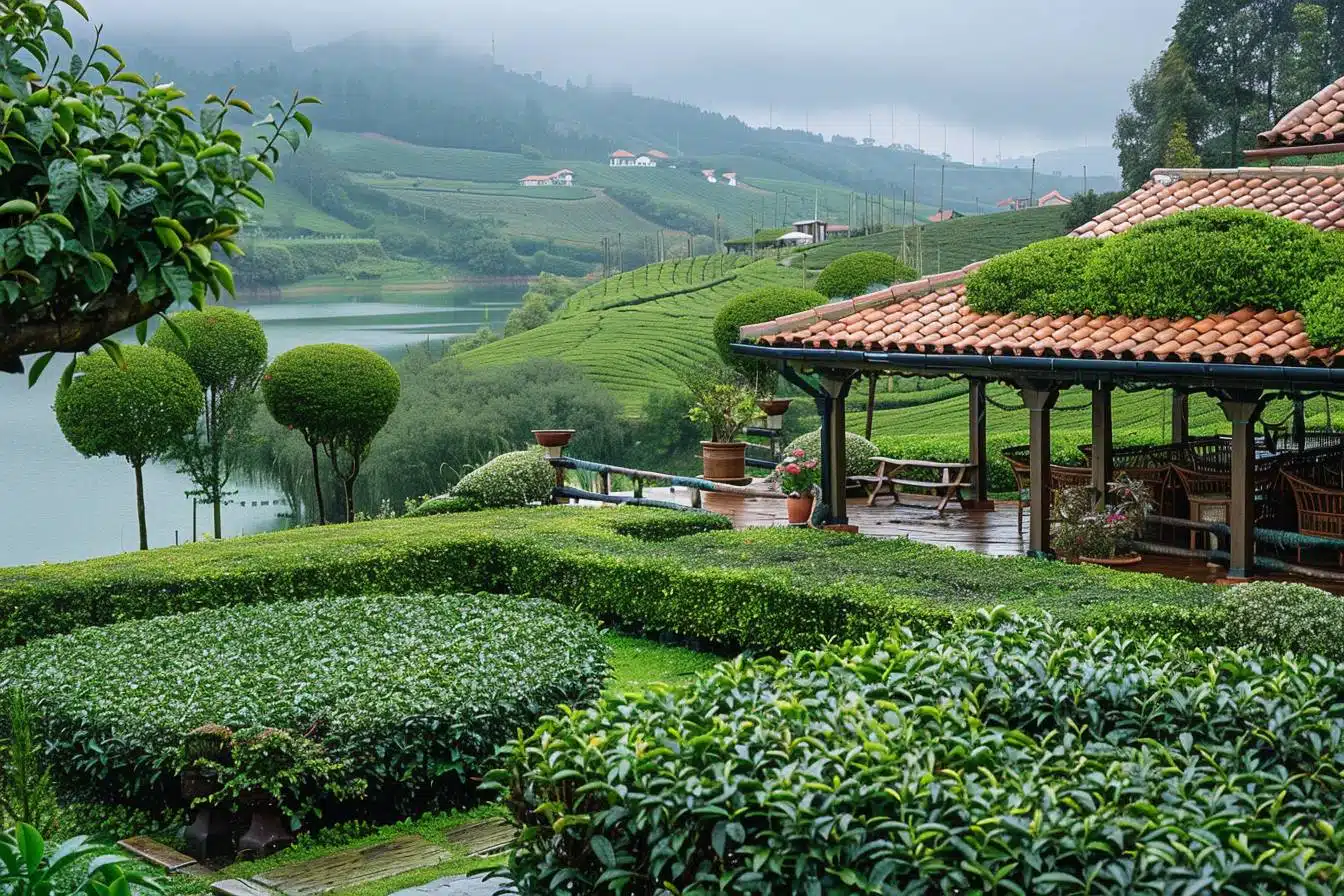
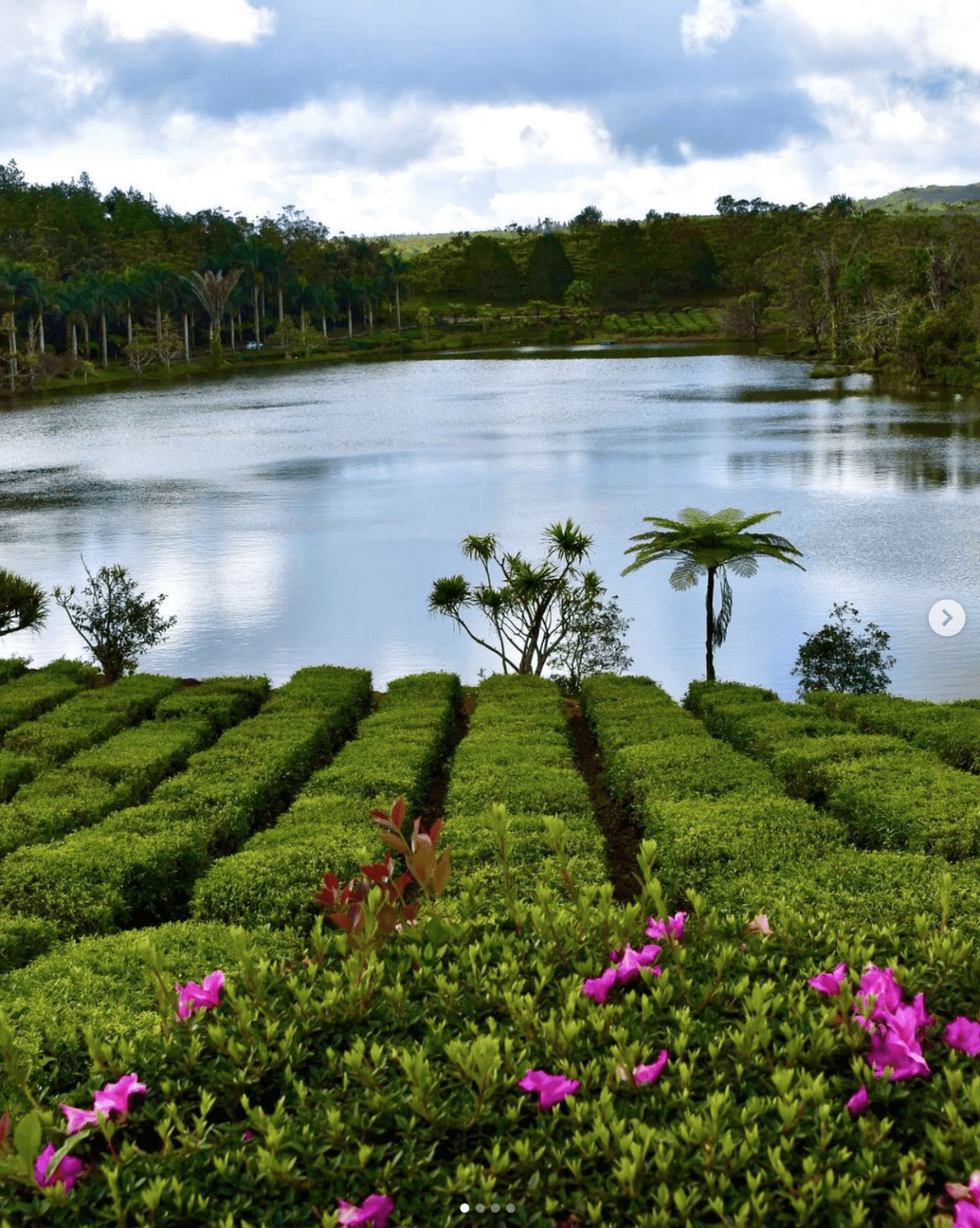
Position yourself at the edge of this elevated wooden platform to capture the sprawling green landscape of the tea estate. It provides the classic shot of the rolling hills that you will often see in a mauritius tea tour promotional gallery.
Capture the industrial aesthetic of the factory by focusing on the historic rollers and drying machinery. Use a wide angle to include the steel infrastructure, as this provides a distinct look for mauritius tea tour tours.
Walk along the designated paths between the tea bushes to capture symmetrical lines leading toward the distant horizon. This perspective is ideal for macro shots of the leaves when securing your mauritius tea tour tickets for an early visit.
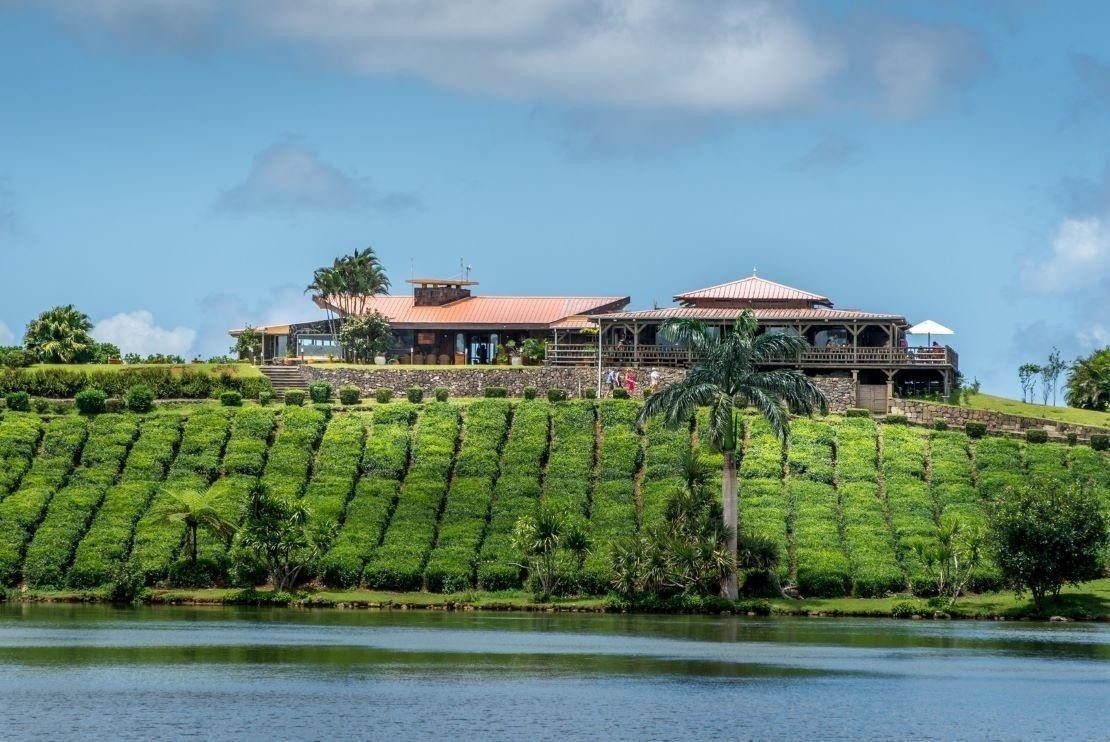
Frame the architecture of the historic restaurant building against the backdrop of the crater lake. The contrast between the colonial style and natural surroundings is a highlight for those documenting their mauritius tea tour tour.
Visitors planning a mauritius tea tour can enjoy on-site dining that showcases plantation views and local flavors. While the area is primarily rural, this main venue provides a convenient setting for a meal after your mauritius tea tour tours.
Located overlooking the lake and tea fields, this venue serves traditional dishes infused with green tea extracts. It is popular for lunch, so booking ahead when securing your mauritius tea tour tickets is advisable for the best window seats. The menu highlights Mauritian heritage and local ingredients, providing a cohesive experience following your mauritius tea tour tour of the factory.
This area is part of the admission experience where visitors sample various flavored teas. It is suitable for a light refreshment rather than a full meal.
Real experiences from real travelers
We came up from Souillac on a warm bright morning and the mauritius tea tour turned out to be the best thing we did in the south. The plantation smells faintly sweet before you even reach the factory, and the pickers work fast enough that you understand why they are paid by weight. Bring a light jacket because the highlands are noticeably cooler than the coast.
The tasting room at the top of the hill looks straight down onto the lake and rows of bushes. Our guide explained the withering troughs and the rolling machines in plain language, and the vanilla-infused sample was the one everyone bought afterwards. Cash was accepted at the shop but the card machine was slow.
What I appreciated about this Bois Chéri tea factory tour is that the machinery is genuinely running, with leaf dust in the sunlight and a real noise level. You see the leaf go from green and damp to black and dry in one continuous line. Ear-sensitive visitors may want to stand back a little in the drying hall.
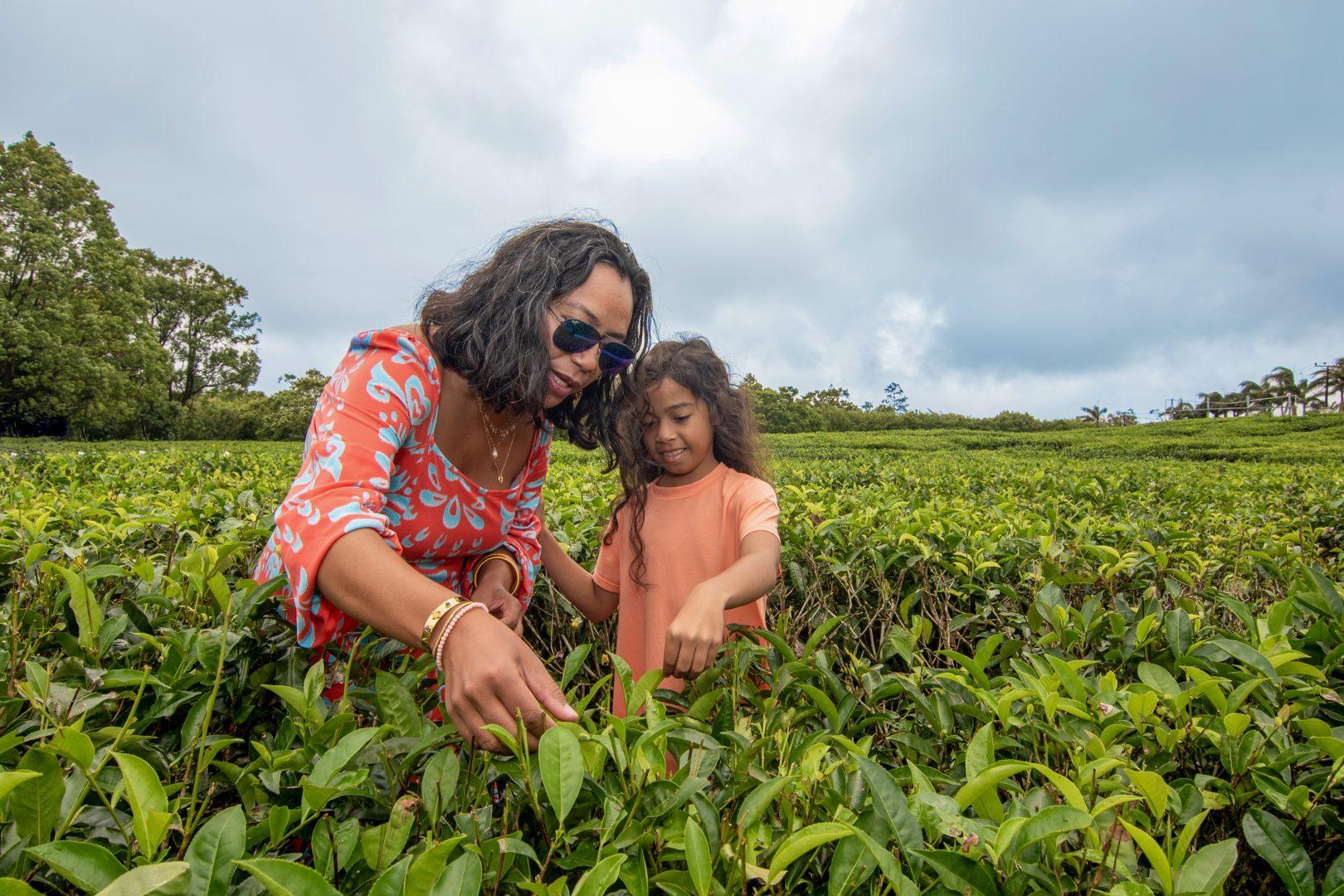
The plantation walk was the highlight and the guide let us handle the fresh leaf. The factory portion moved quickly and I would have liked more time near the sorting screens, though the tasting afterwards made up for it. Roads up from the coast are winding, so sit in front if you get motion sick.
Standing among the tea bushes with cloud shadows moving across the slopes is something the photos undersell. The mauritius tea tour ends with a tasting of maybe eight varieties and the staff are patient about explaining each one. We went mid-morning and had the terrace almost to ourselves.
Booking mauritius tea tour tickets in advance meant we walked straight in rather than waiting behind a coach group. The smell inside the factory is warm and slightly malty, quite different from the fresh grassy smell outside in the fields. Staff spoke French and English comfortably.
A short highland shower came through while we were between the fields and the factory, and honestly it made the tea rows look greener. Among the Mauritius south coast landmarks we visited, this one gave the clearest sense of how people actually work here. Sturdy shoes are worth it since the red soil turns sticky.
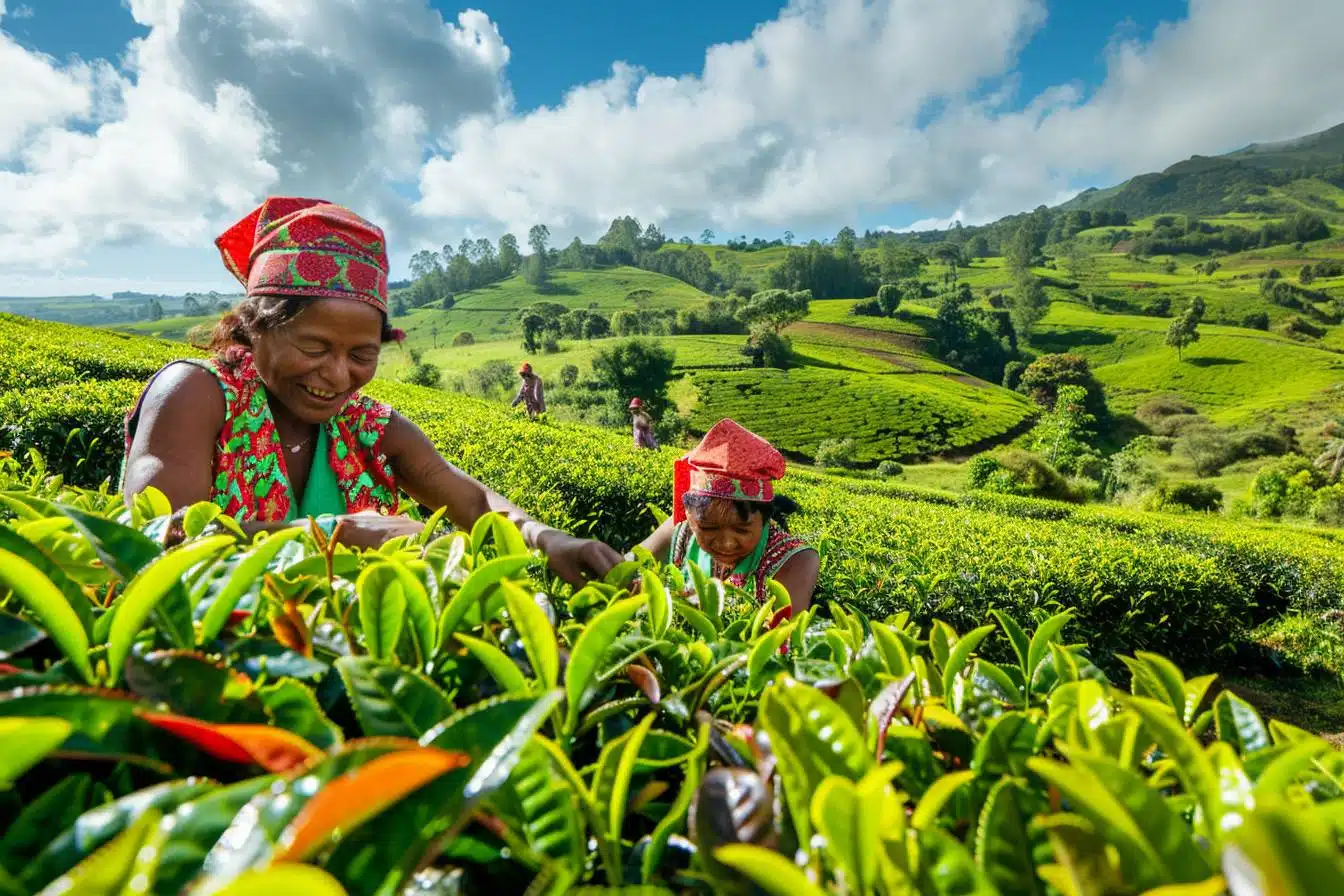
We joined one of the plantation tours in Mauritius almost on a whim and it became the story we told most at home. Watching the pluckers move down a row, taking only the top two leaves and a bud, is oddly hypnotic. The lake below the tasting pavilion is a good spot to sit for a while.
Down at Le Morne it was hot, but up here the breeze was steady and pleasant by late afternoon. The guide walked us through fermentation and grading without turning it into a lecture, and the samples came out properly hot. A mauritius tea tour tour like this pairs well with a stop at the nearby waterfall on the way back.
Two coaches arrived at the same time as us and the tasting terrace filled up fast, so we drank standing. The factory floor itself was still worth seeing and the plantation views are wide open in every direction. If you can, avoid the late-morning slot when the mauritius tea tour tours tend to overlap.
Everything you need to know for your journey
The Bois Chéri Tea Factory is open daily from 09:00–17:00.
Accessibility is limited to the first floor of the factory, and uneven terrain may be difficult for wheelchairs during a mauritius tea tour.
Outside food is prohibited, though your 550 MUR entrance fee includes a tea tasting at the Bois Chéri Tea Factory and restaurant.
For the best experience, plan your mauritius tea tour arrival between 09:00–11:00 to catch active tea processing.
Yes, the entrance fee is 550 MUR per person, covering the museum, factory tour, and tea tasting.
Parking is available on-site at the Bois Chéri Tea Factory for visitors arriving by car.
Families are welcome, though the loud, warm environment of the Bois Chéri Tea Factory may be challenging for very small children.
Yes, you can purchase mauritius tea tour tickets via the official site at https://www.saintaubinloisirs.com.
There are no refunds or rescheduling options if you miss the specific morning production window during your mauritius tea tour.
You can easily combine your mauritius tea tour with a visit to Grand Bassin (Ganga Talao), located just a short drive away.
Join thousands of happy travelers who have discovered this incredible experience
Book Your Experience Now