7 hr
Private South Mauritius Discovery Tour
- Private experience
- Personal attention
- Premium amenities
- Free cancellation
Bois Chéri Tea Factory — Mauritius Tea Factory Tour, Museum & Tasting
Leaf withers in the rafters, steam rises over green hills.
Compare fares, pick the fit — all bookings are mobile-voucher and eligible for free cancellation where shown.
7 hr
6 hr 30 min
7 hr
Choosing the right mauritius tea factory tour allows you to explore the rich heritage of the island's oldest tea estate. Visitors can select between a standard factory visit or an upgraded package that includes a full dining experience at the plantation.
|
Top pick Standard Visit Plantation Access |
Dining Package Includes Lunch | |
|---|---|---|
| Entrance Fee | 500 MUR | Variable |
| Factory & Museum Tour | Included | Included |
| Tea Tasting | Included | Included |
| Plantation Access | Included | Included |
| Lunch Service | Not included | Included |
| Best for | First-timers | Day-trippers |
| See tickets & prices |
Verdict: Opt for the standard mauritius tea factory tour tickets if you prefer a self-paced morning exploration, or the dining package for a full-day culinary excursion.
Worth it for tea lovers and scenic-drive travellers
The 500 MUR entrance fee for foreign adults covers three things: the museum, the factory floor, and a tea tasting. A mauritius tea factory tour at Bois Chéri earns that price if you actually care how leaf becomes cup — the withering troughs, rolling machines, oxidation trays and grading sieves are working equipment on a real plantation, not a staged exhibit. The tasting flight, including the vanilla-scented blend the estate is known for, closes the loop and doubles as your souvenir shortlist. Value depends on your interests. Tea drinkers, plantation-landscape photographers and anyone driving the southern highlands anyway will feel fairly treated. Travellers who want beaches, or families with restless children, will find a machinery walkthrough thin for the money. Booking through one of the combined south-coast day tours listed on this page spreads the cost across several stops, which usually reads as better value than the estate alone.
Bottom line: If tea genuinely interests you, the Bois Chéri tea estate tour repays its 500 MUR — if it doesn't, spend the money on the coast instead.
They complement each other, yet most visitors who do both find the Saint Aubin Estate a more immersive historical site while the mauritius tea factory tour is the superior choice for agricultural insight.
|
Top pick Bois Chéri Tea Factory |
Saint Aubin Estate | |
|---|---|---|
| Primary Focus | Tea production and tasting | Rum, vanilla, and colonial history |
| Established | 1892 | 1819 |
| Entry Price | 500 MUR (foreign adult) | Varies by package |
| Activity Intensity | Low (walking/observation) | Low (museum/walking) |
| Average Duration | 1.5–2 hours | 2–3 hours |
| Best Season | Year-round (morning production) | Year-round |
| Ideal For | Tea enthusiasts and families | History and rum lovers |
| Booking Constraints | No booking required | Recommended for restaurant |
| See tickets & prices |
Verdict: If your priority is sampling unique local blends with a scenic view, these mauritius tea factory tour tickets offer the best value, whereas Saint Aubin is better for those interested in the broader heritage of the island's sugar and vanilla industries.
Hand-picked experiences loved by thousands of travelers
7 hours
Free Cancellation
Journey through Mauritius' oldest tea estate and meet Nile crocodiles at a conservation reserve
9 hours
Free Cancellation
Explore Mauritius' dramatic southern shore, sip fresh tea at a historic estate, and witness ocean power
8 hours
Free Cancellation
Full-day journey through volcanic landscapes, sacred lakes, and tea estates with lunch included
7 hours
Free Cancellation
Journey through highland tea plantations, historic colonial homes, and working estates with tastings and traditional lunch
7.5 hours
Free Cancellation
Full-day exploration of tea production, local toy-making traditions, and tropical nature reserve
8 hours
Free Cancellation
Journey through volcanic landscapes, colonial estates, and working plantations with rum and tea tastings
8 hours
Free Cancellation
Full-day private journey through waterfalls, volcanic wonders, sacred sites, and dramatic coastal cliffs
Check in and confirm entry at the reception desk.
Explore the history of local tea production.
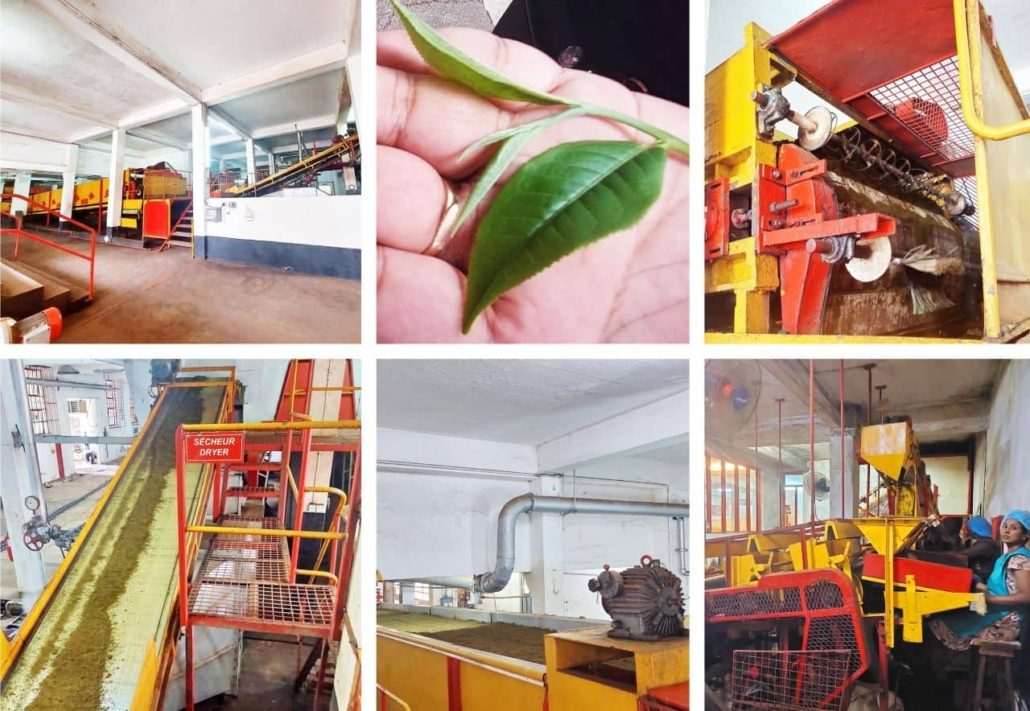
Observe machinery in operation during a mauritius tea factory tour.
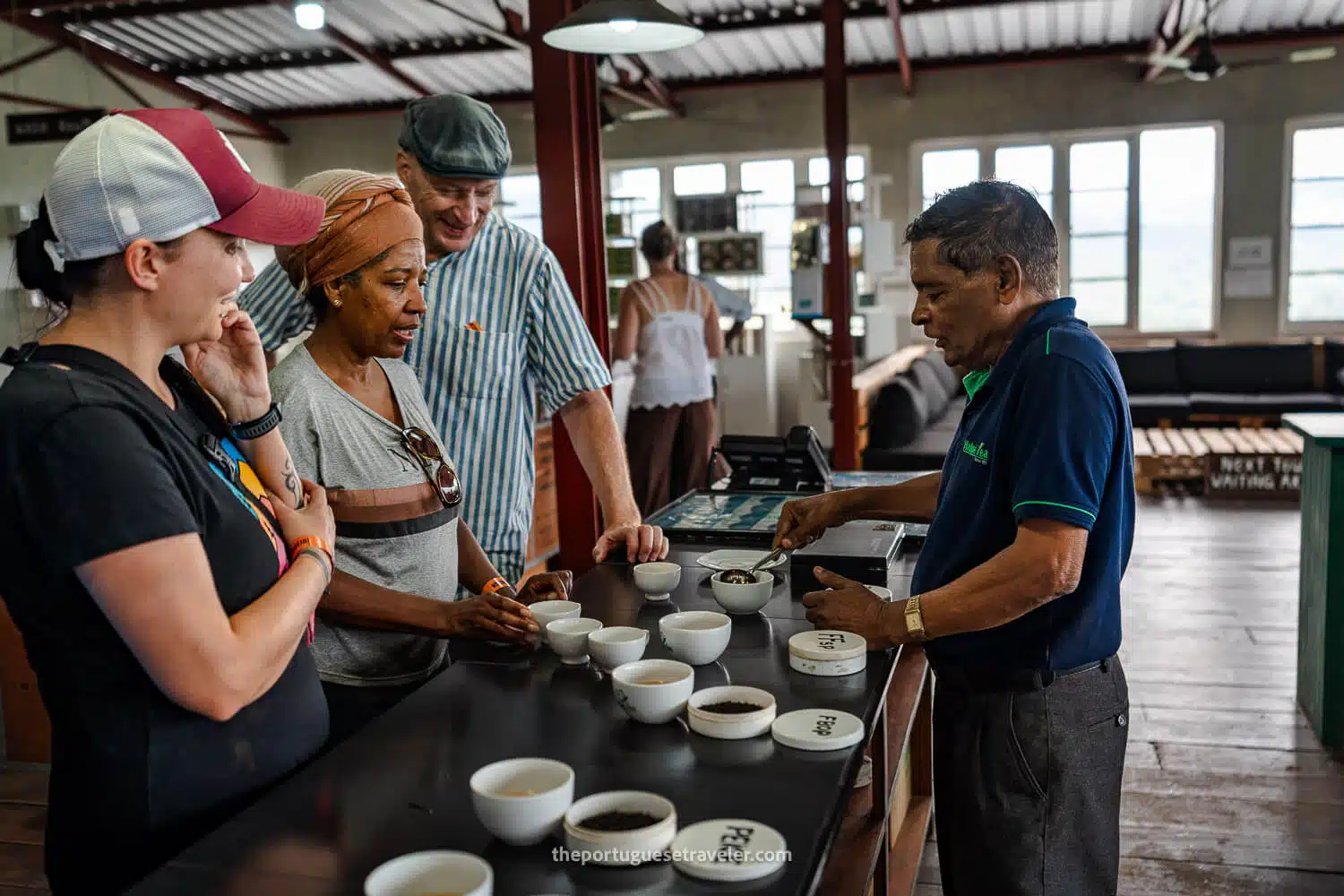
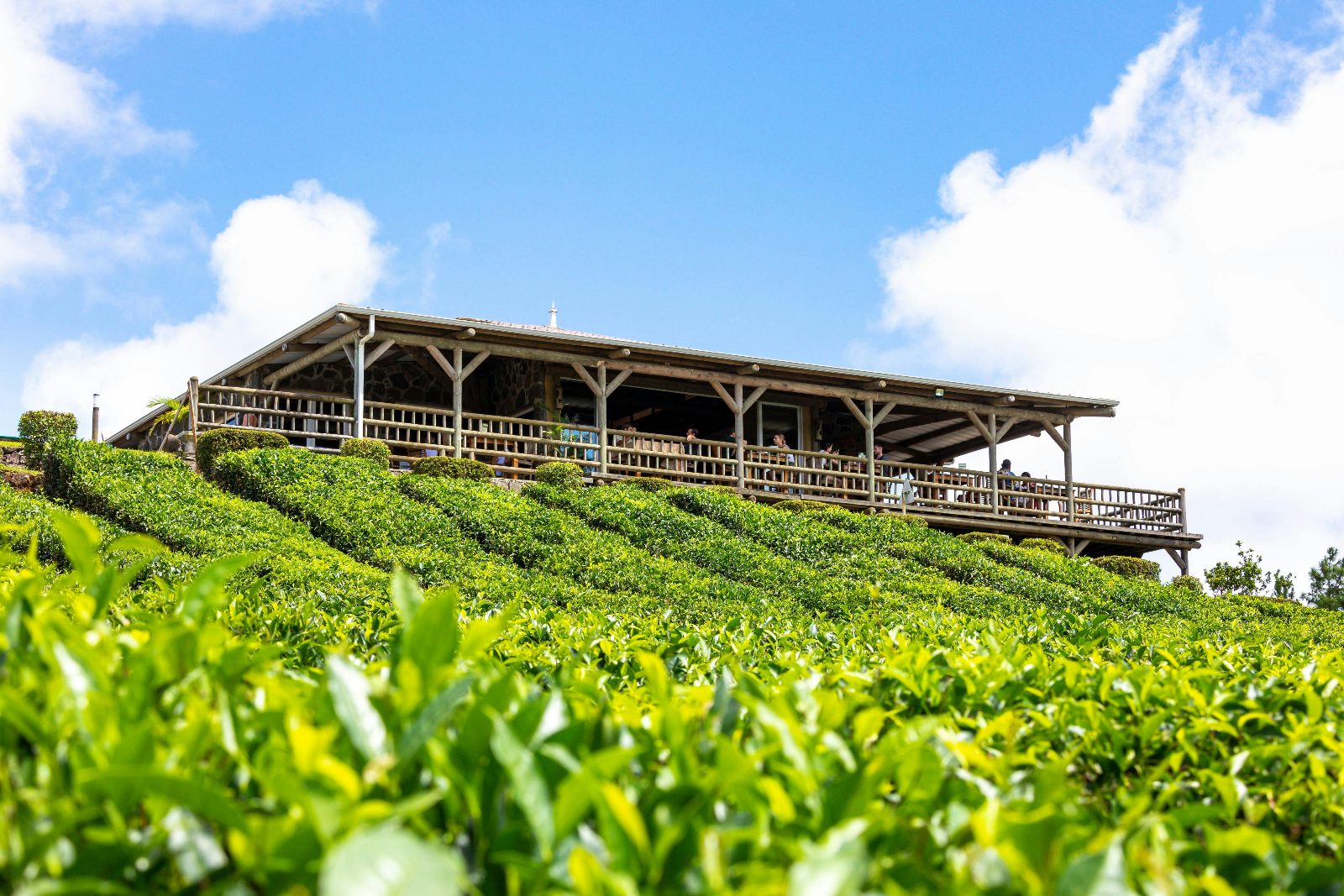
Sample varieties overlooking the plantation.
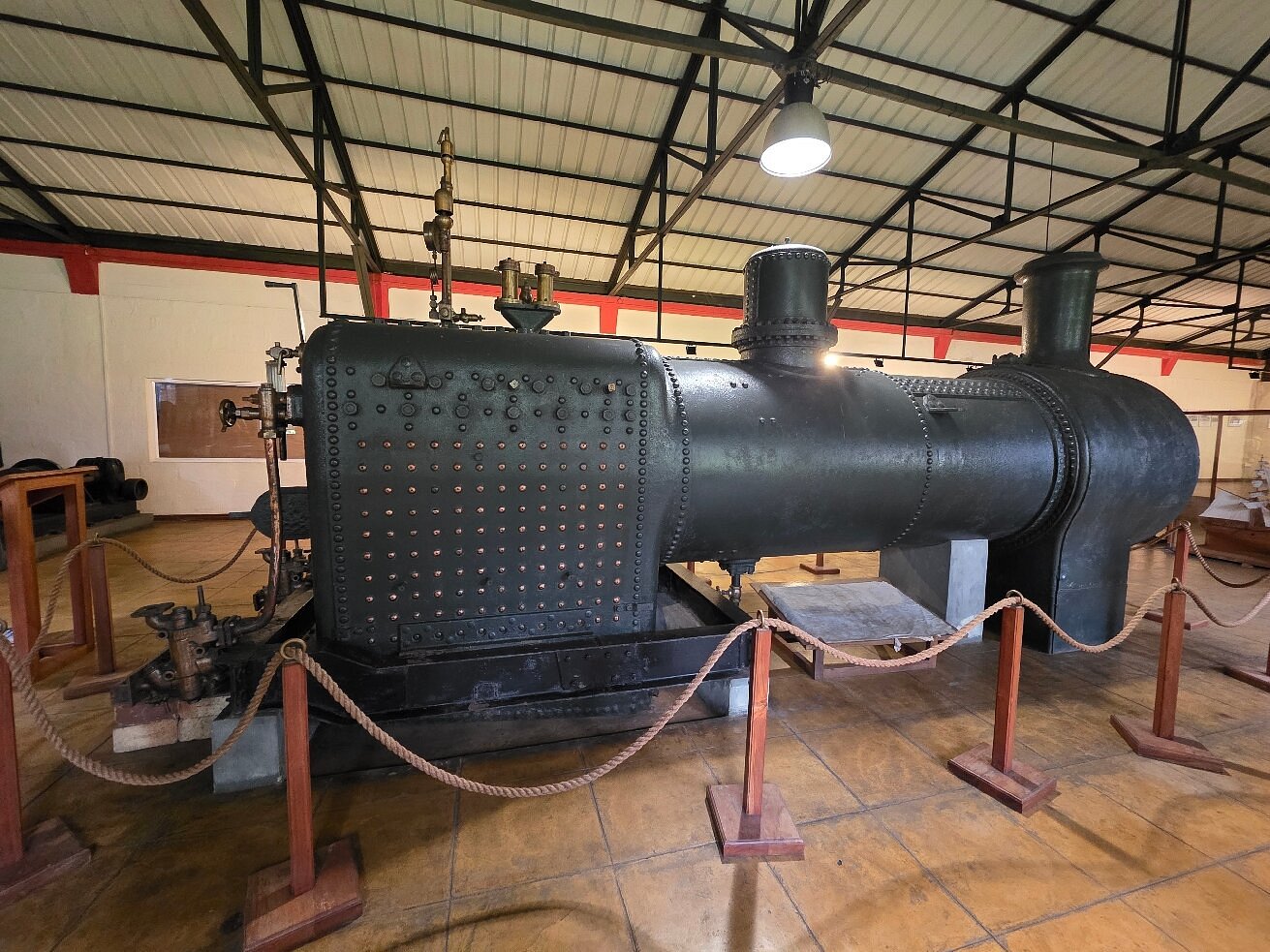
Historical displays showcase the evolution of tea production since 1892.
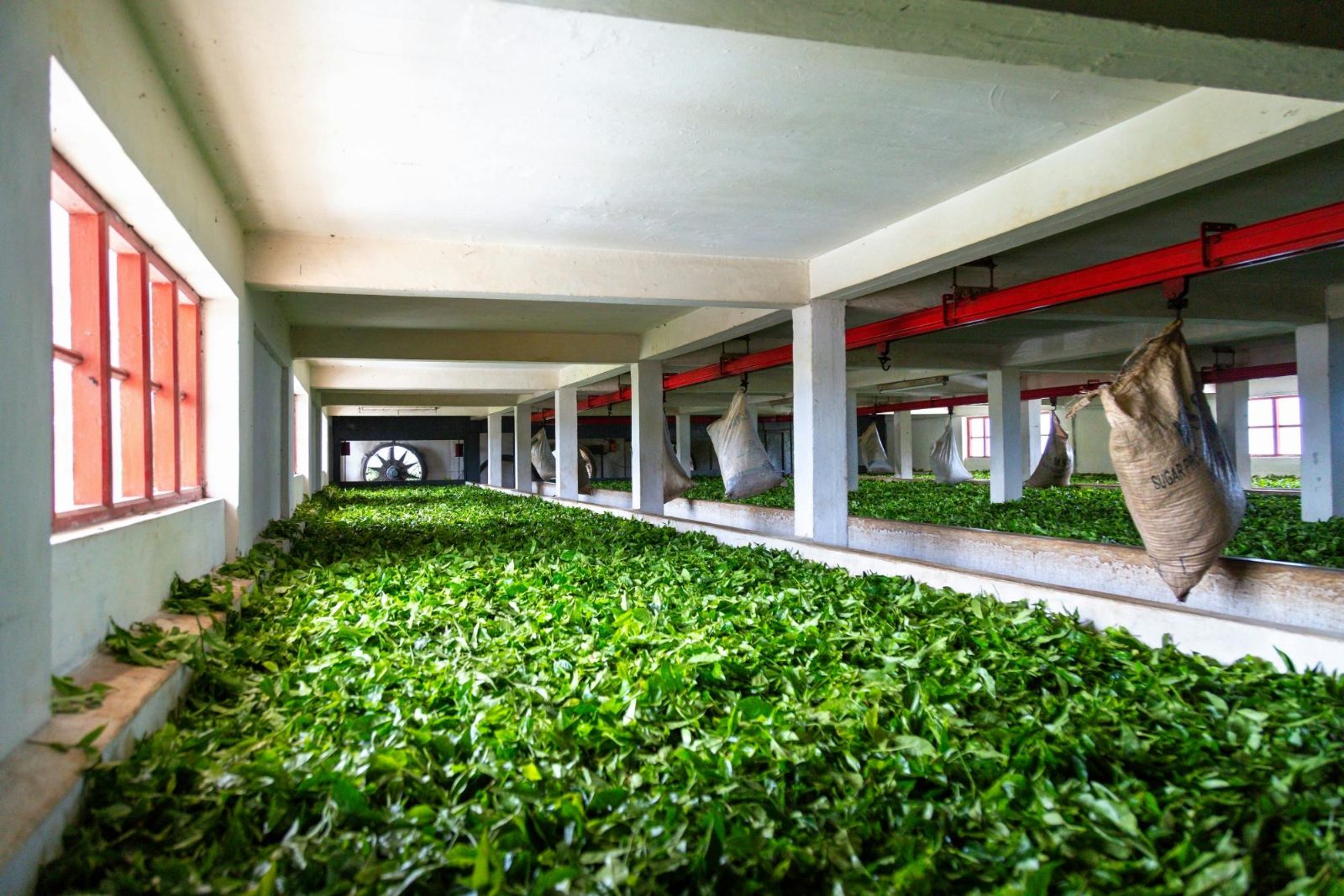
Witness the drying and fermentation processes up close during the mauritius tea factory tour.
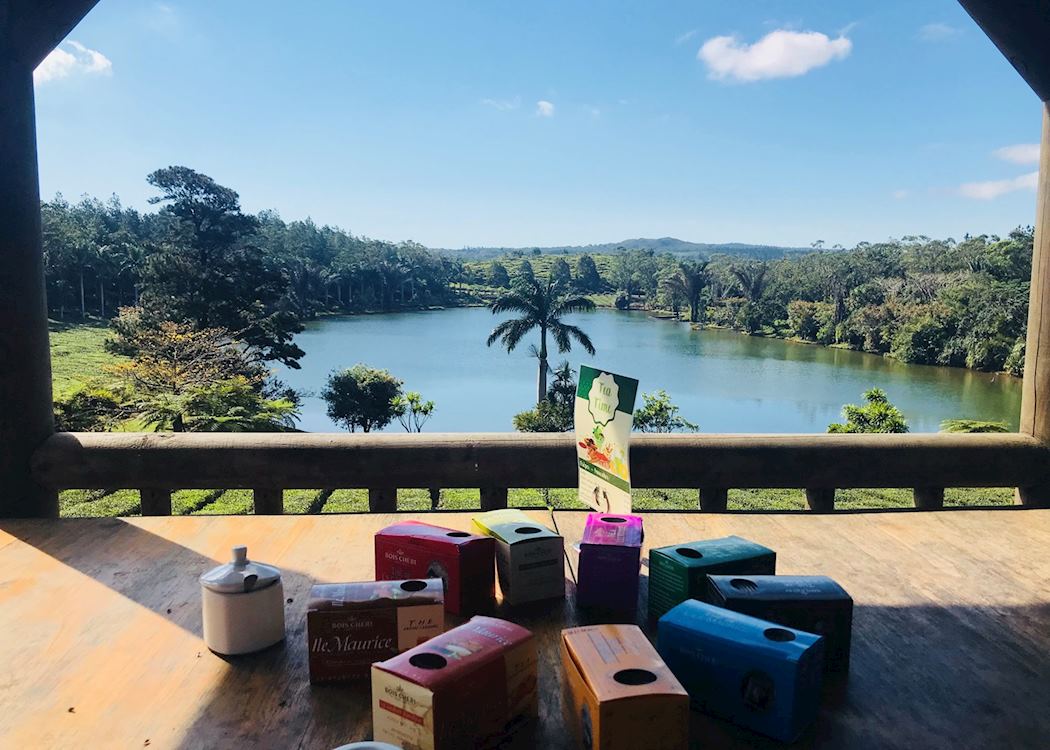
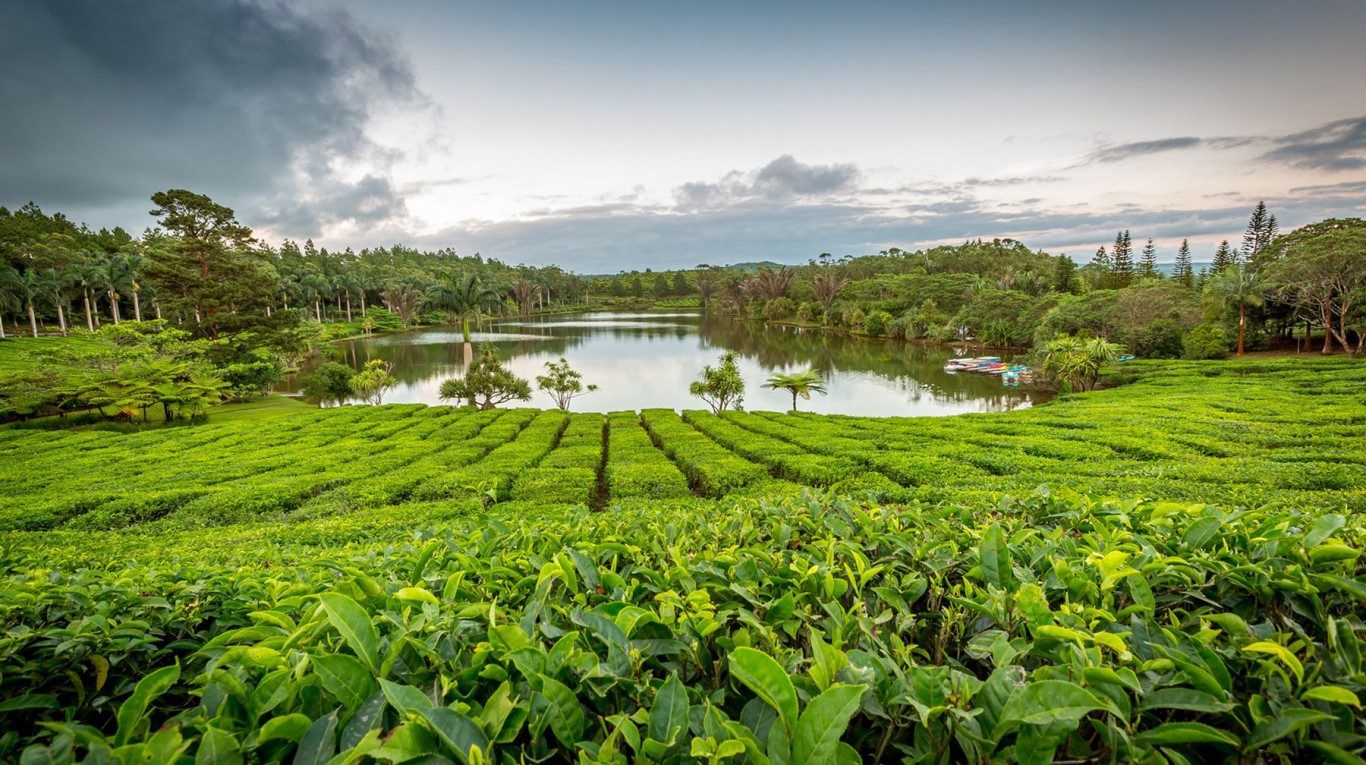
Enjoy panoramic views of the estate while sampling various local tea blends.
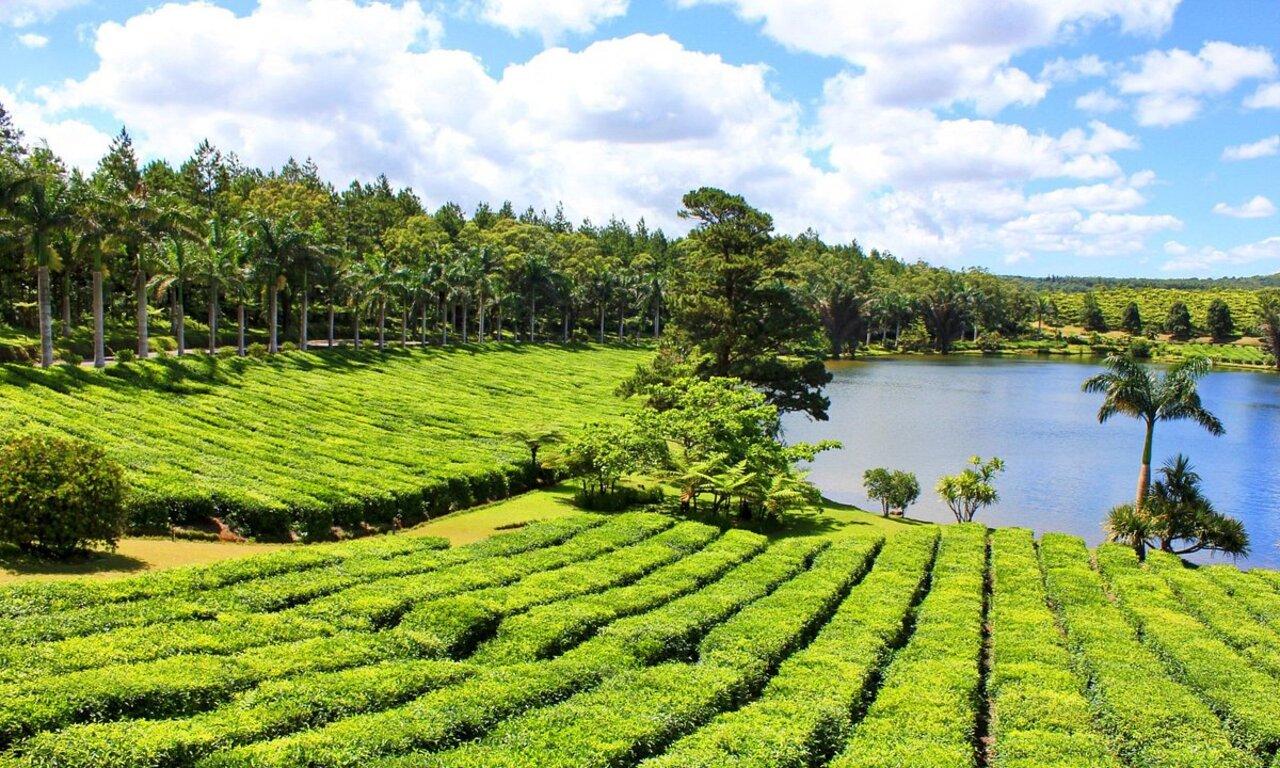
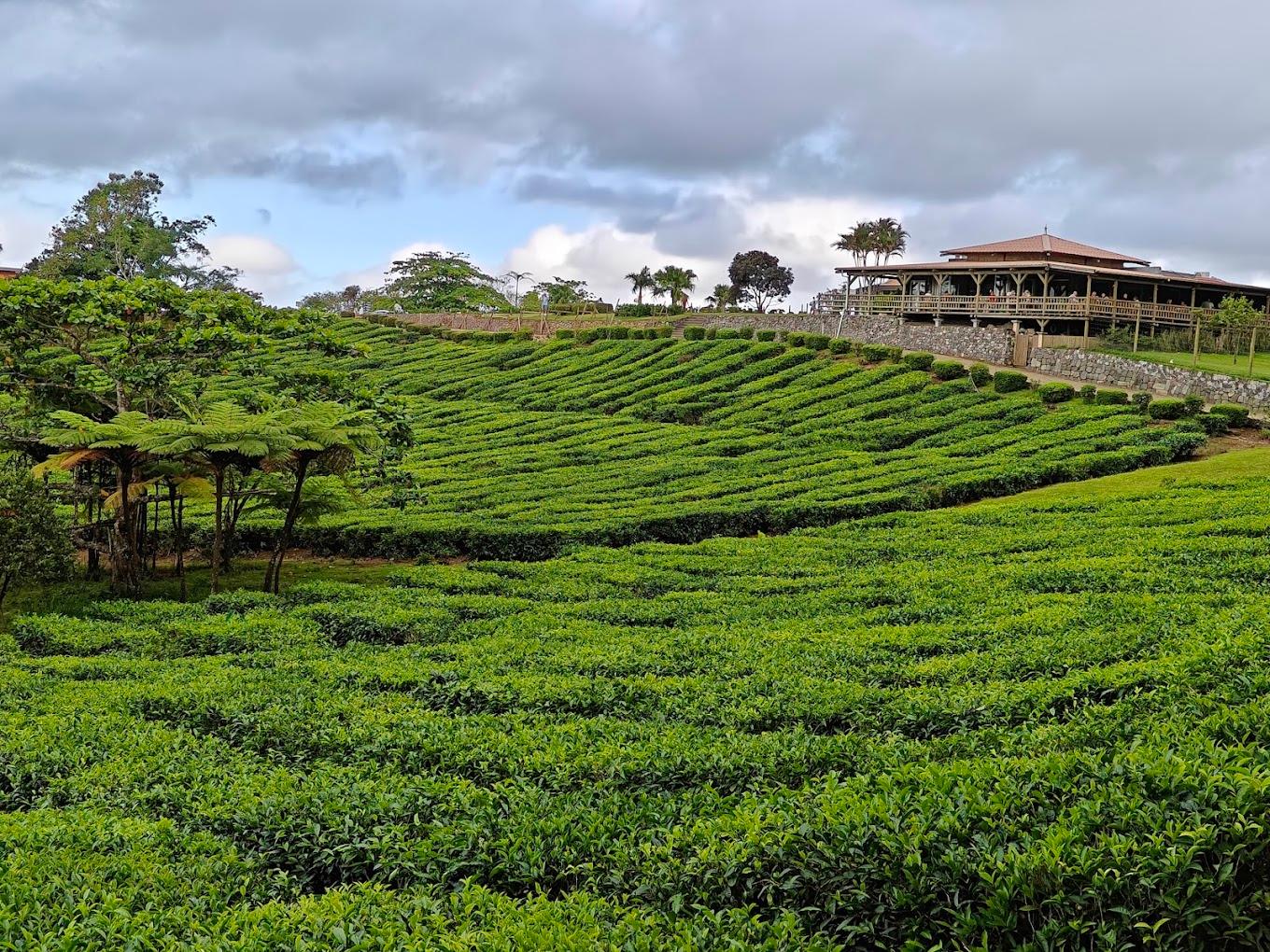
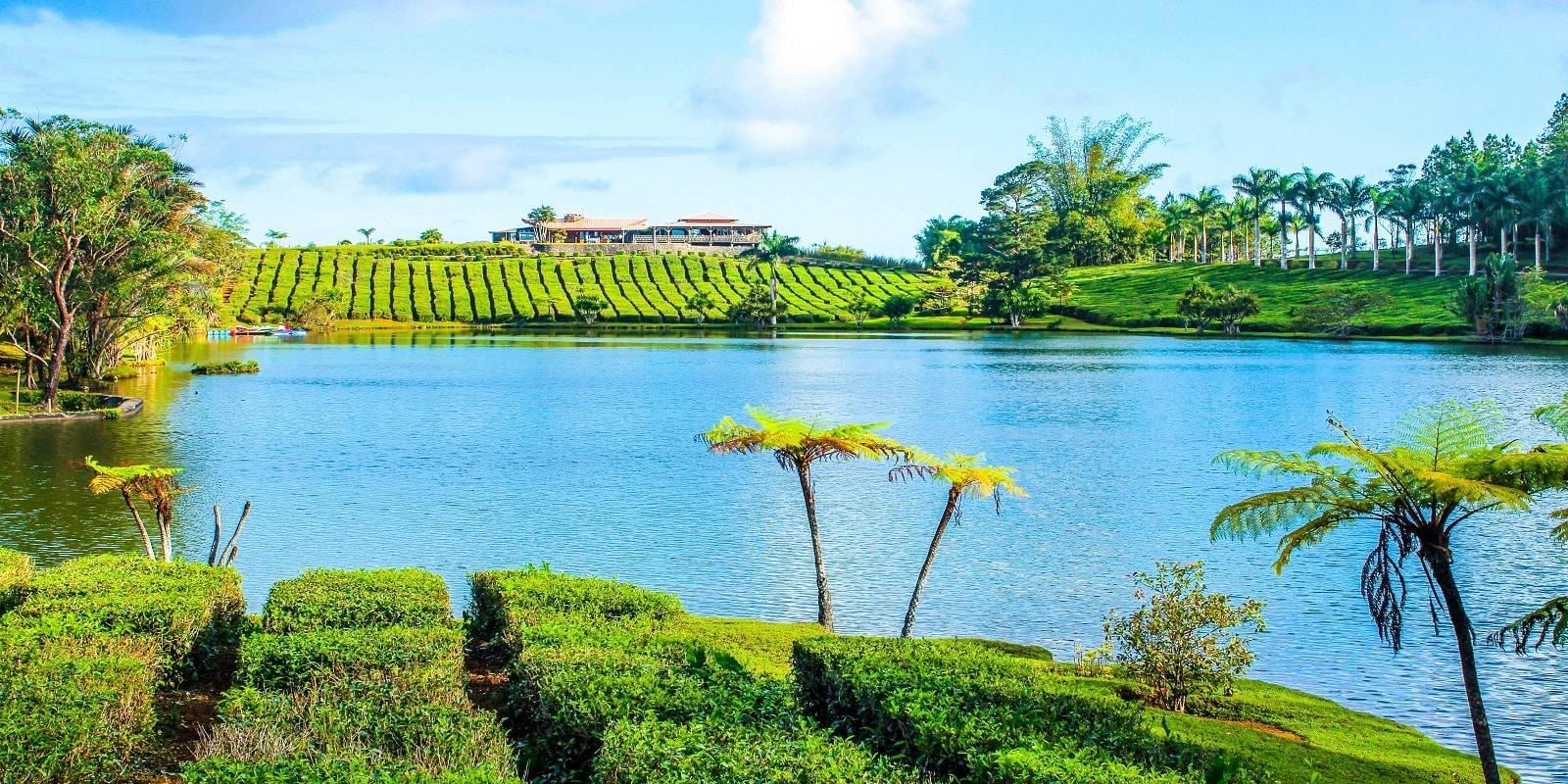
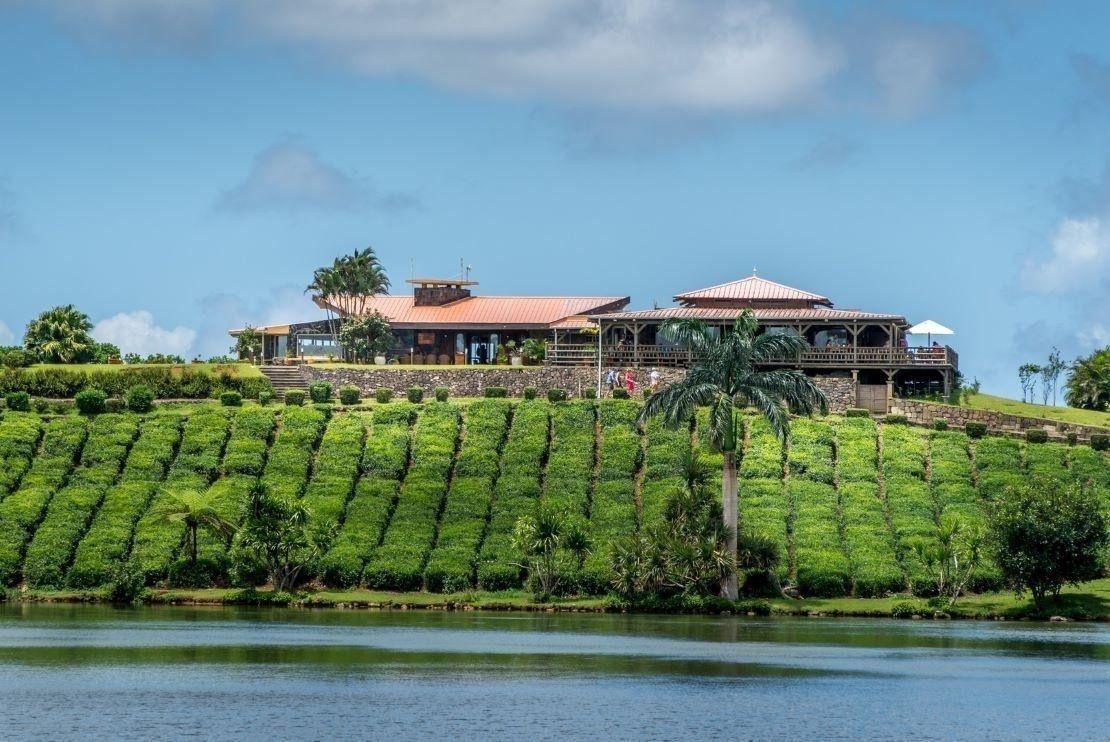
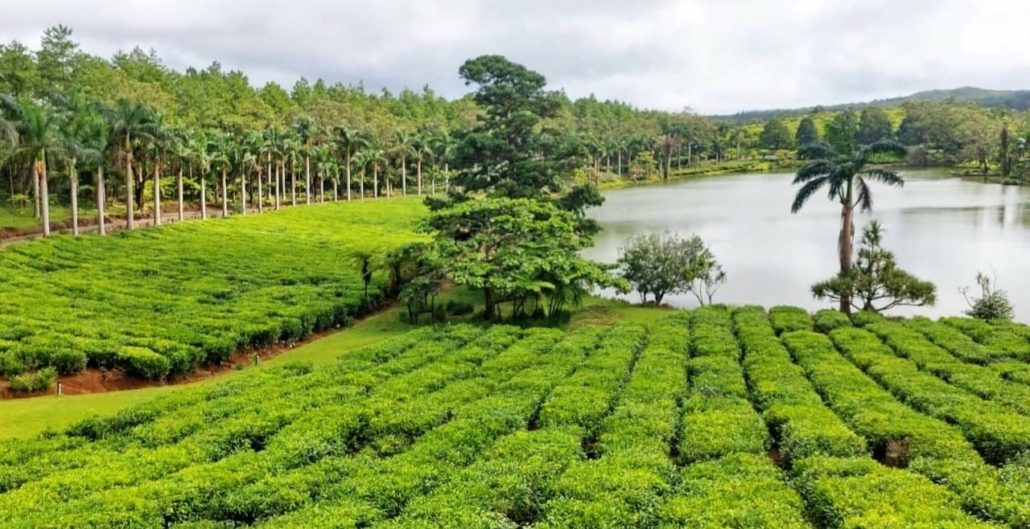
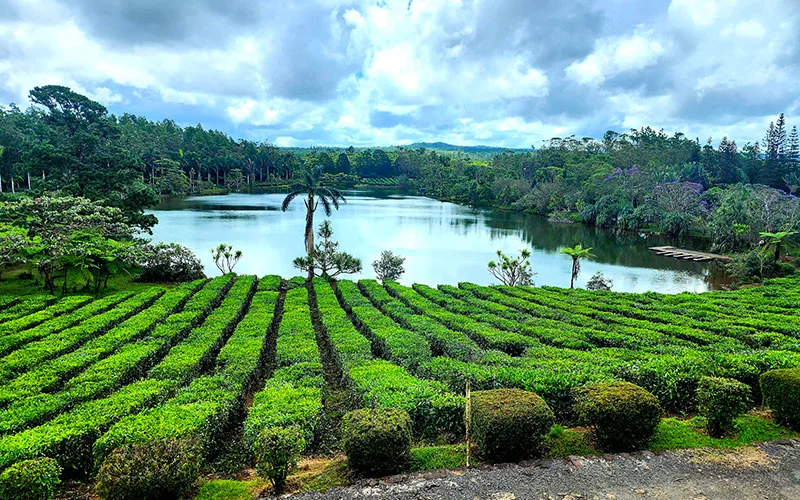
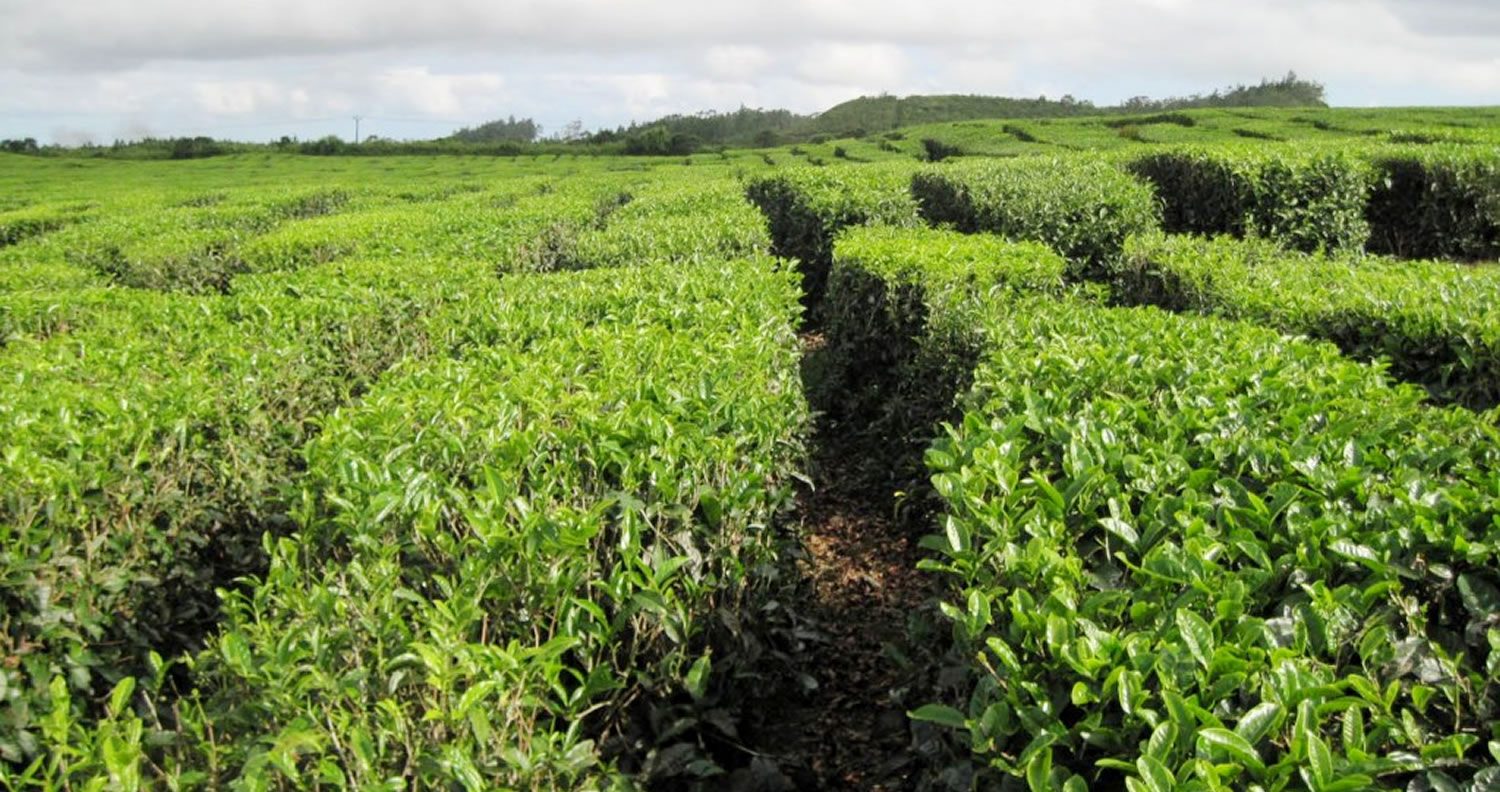
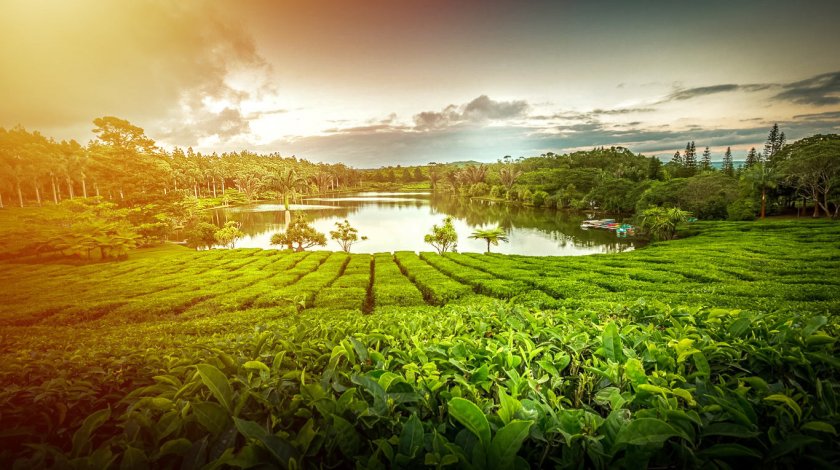
The vast tea gardens surround the facility, creating a scenic backdrop.
You turn off the Souillac road and climb through cane, then through tea, until the bushes close in on both sides. Arrive between 09:00 and 11:00 — production runs in the morning, and the factory floor is quiet by mid-afternoon.
You pay 500 MUR at the gate, which covers the museum, the factory and the tasting, and a guide takes you through the museum first: ledgers, chests, an iron weighing scale worn smooth.
Then you step onto the gantry. Below you, rollers turn and the withering troughs exhale warm, grassy air. You follow the leaf along its route — rolling, oxidation on the tiled beds, the dryers, the graders — and your guide raises their voice over the machinery to name each stage. You handle leaf at three different moments in the process. It smells different every time.
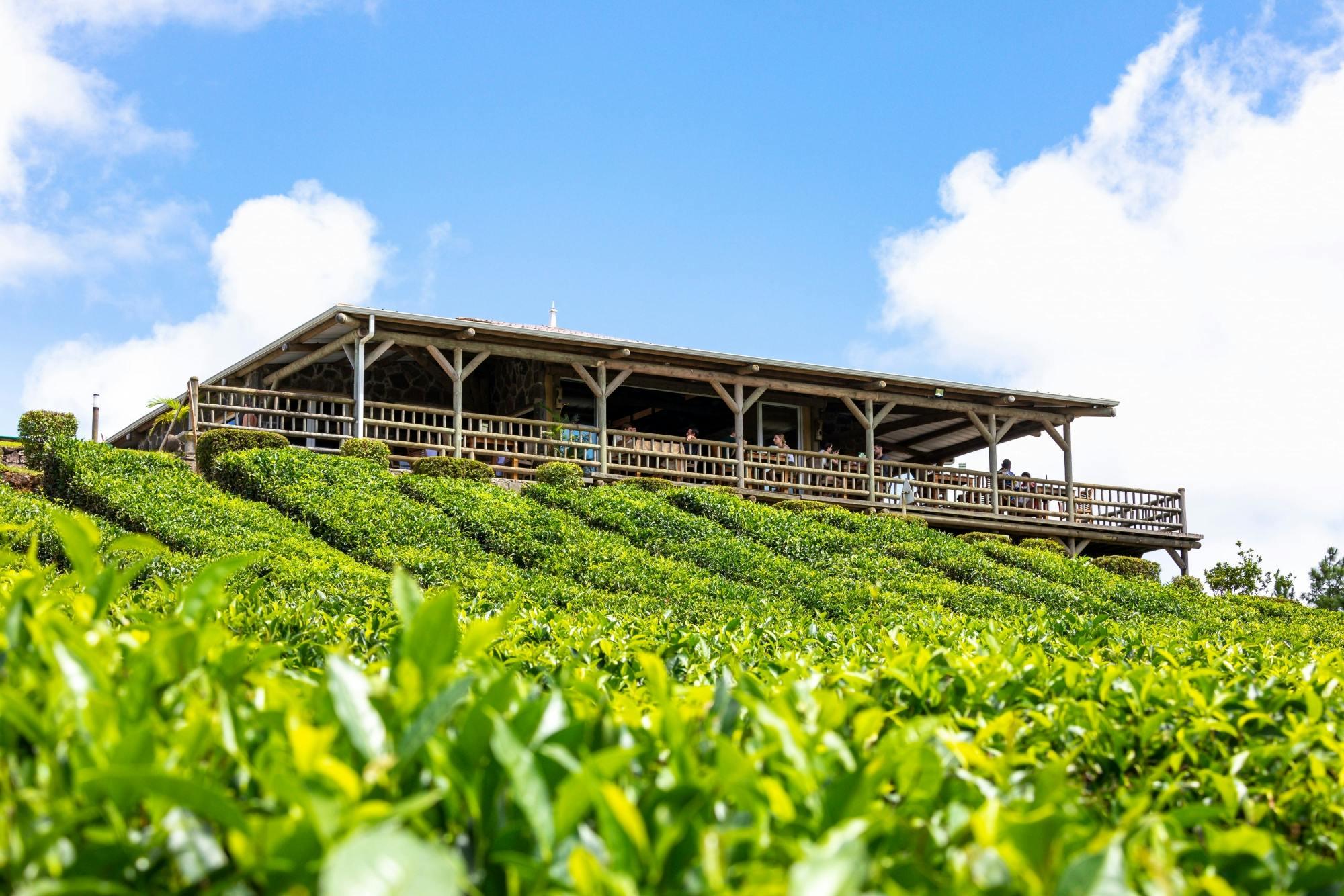
Afterwards you drive up to the tasting pavilion on the hill above the plant. You sit at a long table, look south over the lake toward the coast, and work through the estate's blends in order: plain black first, then vanilla, then the rest. Most guided mauritius tea factory tour itineraries continue from here to Gris Gris, Macondé or La Vanille, so you finish your cup and get back in the vehicle.
All the details about your upcoming adventure in one place
Bois Chéri produces most of the tea drunk in Mauritius, and almost none of it leaves the island.
Founded in 1892 on the volcanic uplands of the Savanne district, the estate covers roughly 250 hectares of clipped Camellia sinensis growing at around 450 metres above sea level, where cloud sits low over the plateau for much of the year. A mauritius tea factory tour begins in that landscape rather than in the machinery: rows of tea bushes pruned flat to waist height, pickers moving along the contours, the Bois Chéri lake below the ridge.
The factory itself is a working industrial building, not a reconstruction. Belt-driven rollers, tiered withering troughs and cast-iron dryers occupy a single long hall, some of the equipment dating to the estate's early decades and still turning. Tea arrives green and leaves black: withered overnight, rolled to rupture the leaf cell walls, oxidised on tiled beds, then fired and graded through vibrating sieves into orthodox and CTC grades. The noise, the smell of oxidising leaf, and the heat near the dryers are the point. Visitors on a Bois Chéri tea plantation tour see the sequence in the order it actually happens.
Adjoining the factory floor, the estate museum holds colonial-era ledgers, chests, weighing scales and photographs documenting how tea replaced sugar cane on ground too high and too wet for cane. Mauritius took tea from China via the French East India Company in the eighteenth century; Bois Chéri industrialised it. The vanilla-flavoured black tea that became the island's signature blend is produced here, alongside plain broken orange pekoe and a small run of green tea.
Above the factory, the tasting pavilion sits on a hill with a wide view south toward the coast, and it is where most mauritius tea factory tour tours end — a tray of the estate's blends poured in sequence, from unflavoured black through vanilla, coconut and bergamot. Entry is 500 MUR per foreign adult, covering museum, factory tour and tea tasting. The estate is open 09:00–17:00, seven days a week, at Bois Chéri, Mauritius.
What gives the place weight is continuity. The same slopes, the same crop, the same conversion of leaf to liquor, carried out daily beside a museum that explains it. Few mauritius tea factory tour tickets anywhere buy access to a plant still running at commercial scale while visitors walk the gantry above it.

Tea arrives green and leaves black, and the whole conversion happens inside one long hall.
Casual, comfortable clothing is recommended for a mauritius tea factory tour. Ensure footwear is suitable for walking on concrete factory floors.
Standard backpacks are permitted, but visitors must keep personal belongings with them at all times. Security staff may perform random bag checks at the Bois Chéri Tea Factory entrance.
Photography is generally permitted for personal use during a mauritius tea factory tour. Please respect operational machinery and avoid obstructing staff paths.
Families are welcome at the Bois Chéri Tea Factory. Children should be closely supervised near active tea processing equipment.
The primary museum and tea tasting areas are accessible. Some manufacturing zones involve staircases which may limit access during a mauritius tea factory tour.
Outside food is not permitted within the production areas. Guests may enjoy tea tasting as part of the standard mauritius tea factory tour package.
Opening Hours
09:00–17:00
Address
Bois Chéri, Mauritius
Accessibility
Ground floor areas are accessible
Best arrival
09:00–11:00
Storage
Not available
Navigation
Follow signage from the main entrance
Car · N/A · N/A
Rental cars offer the most flexibility for reaching the plantation site.
Taxi · N/A · Varies
Hire a taxi for a half-day trip to ensure reliable return transport.
Entry tickets are non-refundable once issued. The 500 MUR entrance fee covers the museum, factory, and tea tasting experiences.
Recommended time
2 hours
A typical mauritius tea factory tour requires approximately two hours to fully explore the museum, observe the machinery, and complete the tea tasting session. Arriving during the 09:00–11:00 window is recommended, as tea production activity typically occurs in the morning. Visitors acquiring mauritius tea factory tour tickets should anticipate higher foot traffic as the day progresses toward noon. Those seeking a quieter experience with this Bois Chéri tea excursion may prefer mid-afternoon, though processing cycles may be finished by then.
Crowd levels through the day
Weather · crowds · average price — dots go green to amber to red as each metric rises.
December to February sees warm weather and lush green tea fields.
June to August offers cooler temperatures for touring the factory floor.
Best for observing active tea processing tasks during your visit.
Aim to arrive between 09:00 and 11:00 to see the tea production in full swing during your mauritius tea factory tour.
Wear layers to adapt between the humid factory interior and cooler plantation breezes.
Always verify tour status via the official site before departing.
Do not rush the tasting session as it is a core part of the experience.
Ensure shoes have good grip for navigating industrial sections safely.
Bois Chéri, Mauritius
Main entrance for mauritius tea factory tour check-in.
Get directionsTea reached Mauritius long before Bois Chéri milled its first leaf. French missionaries of the Compagnie des Indes introduced Camellia sinensis to the island around 1770, planting it in the highlands as an ornamental curiosity. The crop stayed marginal for a century. Sugar dominated the colonial economy, and the volcanic uplands of Savanne district remained thinly worked. That changed in 1892, when the Bois Chéri estate was formally established on the cool, high-rainfall plateau above Souillac. The site was chosen for altitude and acidity: red ferralitic soils, persistent cloud cover, and rainfall exceeding four metres a year — conditions poor for cane but well suited to tea bushes. The estate's early decades were slow and precarious. Labour shortages after indenture ended, cyclone damage, and the collapse of world tea prices in the interwar years repeatedly threatened the plantation. Momentum returned after the Second World War, when the colonial administration promoted tea as a diversification crop to reduce dependence on sugar. Bois Chéri expanded its planted area and modernised its withering and rolling lines. Independence in 1968 brought a further push, and by the 1970s tea covered thousands of hectares islandwide. The industry then contracted sharply in the 1980s and 1990s as global prices fell and land shifted back to cane and housing — a near-fatal squeeze that closed several rival factories. Bois Chéri survived, absorbed into the Saint Aubin group, and today anchors what visitors know as the Route du Thé. Anyone booking a mauritius tea factory tour is walking through that survival. What endures is unusually legible. The colonial-era machinery still runs beside newer sorting equipment; the estate museum preserves plantation ledgers, hand tools, and photographs of pickers at work. Guided mauritius tea factory tours follow the leaf from field to withering trough to firing, and a Bois Chéri tea plantation tour typically closes at the hilltop chalet overlooking the reservoir. Reserving your mauritius tea factory tour tickets in advance is sensible in high season, and a mauritius tea factory tour tour of the museum rewards slow attention. Among Mauritius landmarks, few document industrial continuity so plainly.
French missionaries introduce Camellia sinensis to the Mauritian highlands as a minor experimental crop.
The Bois Chéri estate is established on the high-rainfall plateau of Savanne district, the island's first large commercial tea plantation.
Cyclone damage, labour shortages and falling world tea prices keep the plantation's output fragile.
Post-war colonial policy promotes tea as a diversification crop, funding expanded planting and modernised processing lines.
Independence brings state support for tea as an export earner, and planted area grows steadily through the following decade.
A global price collapse contracts the Mauritian tea sector sharply, closing rival factories while Bois Chéri endures.
The estate opens its museum and joins the Route du Thé, adding heritage tourism to production.
Bois Chéri remains a working factory under the Saint Aubin group, running colonial-era machinery alongside modern sorting equipment.
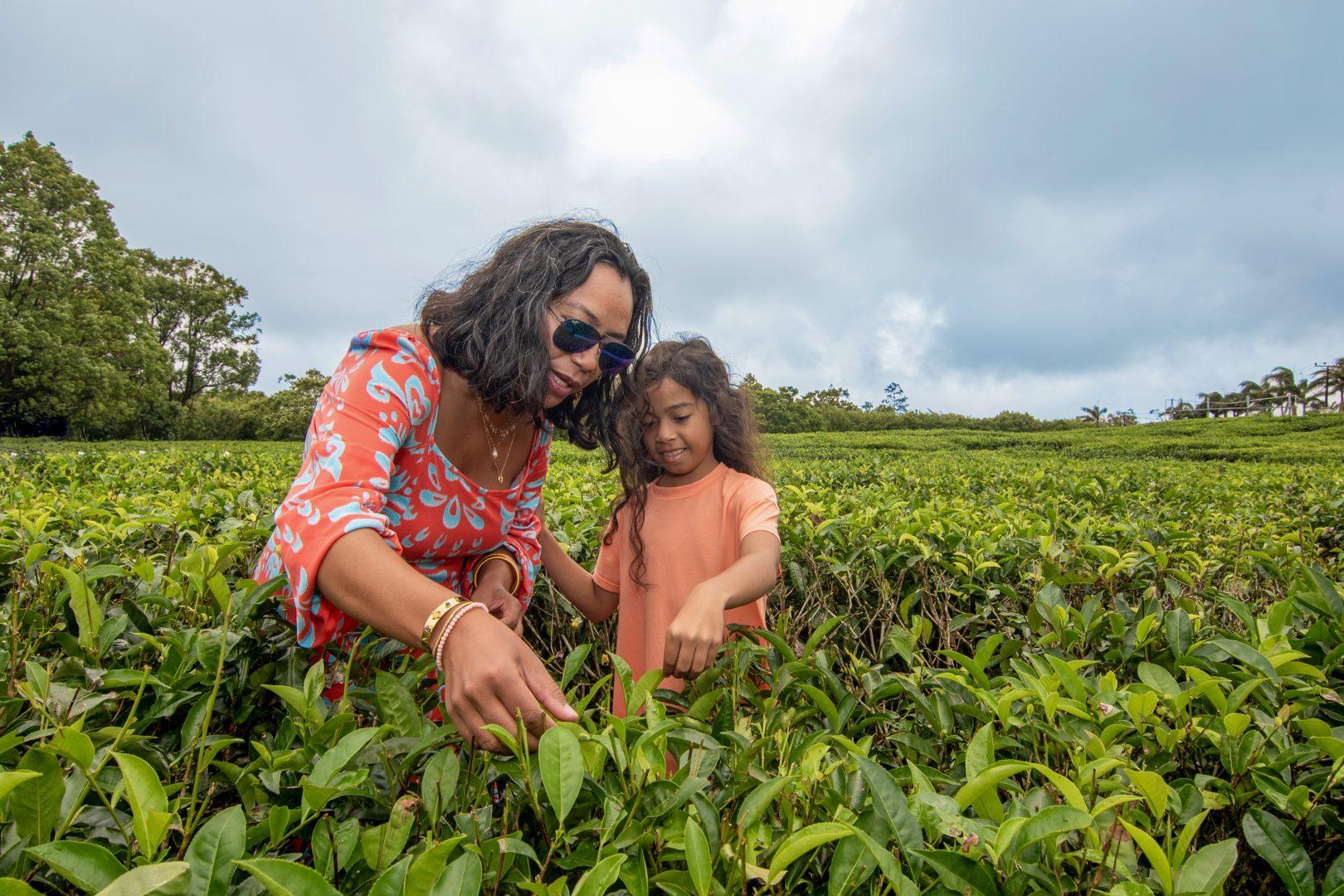
Walk along the paths intersecting the rolling green tea bushes for a classic agricultural landscape shot. This perspective captures the scale of the estate against the backdrop of the southern highlands during your mauritius tea factory tour.
Position your camera from this elevated deck to capture the panoramic view overlooking the estate and surrounding lake. It provides an expansive vantage point for mauritius tea factory tour tours of the island.
Frame the vintage machinery and historical artifacts housed within the colonial-style building. This location is ideal for shots focusing on the industrial heritage of mauritius tea factory tour tickets holders.
Capture the active production lines and the rhythmic movement of tea leaves on the conveyor belts. Please ensure you stay within designated visitor walkways during your mauritius tea factory tour tour.
A mauritius tea factory tour provides an educational window into local heritage that is manageable for school-age children. While the site is welcoming, parents should be prepared for an active industrial environment where direct supervision is essential.
The factory interior features stairs and is a working industrial site, so strollers are generally not practical for the production area tour.
While family-friendly, factory visits are not advisable for toddlers due to safety concerns in an active production environment.
School-age children often enjoy the museum's historical displays and learning about the tea-making process from the leaves to the final product.
The entire experience typically lasts 1 to 2 hours, which is an ideal duration to keep younger visitors engaged without overextending them.
As you plan your mauritius tea factory tour tours, remember that young children under 5 years old receive complimentary entry.
When purchasing your mauritius tea factory tour tickets, consider that the restaurant is located about 1 km from the production site, so coordinate your transport accordingly.
Visitors planning a mauritius tea factory tour will find that the primary dining destination is situated right on the estate, overlooking the lush landscape. Beyond this central spot, the surrounding area is largely agricultural, making the on-site facility the most convenient choice for those securing mauritius tea factory tour tickets.
This venue offers a serene dining environment with panoramic views of the tea fields and a lake. Guests can enjoy traditional Mauritian dishes and light meals that pair well with the estate's herbal infusions after finishing their mauritius tea factory tour tours.
Everything you need to know for your journey
The Bois Chéri Tea Factory is open from 09:00–17:00 daily.
Yes, the 500 MUR fee covers the museum, the factory tour, and the tea tasting session per foreign adult.
The best arrival window is 09:00–11:00 to observe production activity.
Yes, families are welcome, provided children are supervised closely at the Bois Chéri Tea Factory.
Photography is permitted for personal use during your mauritius tea factory tour.
Self-guided paths are provided for the standard mauritius tea factory tour experience.
The factory is located in Bois Chéri, accessible best by car or hired taxi.
Yes, the museum is included in the standard entry fee for every mauritius tea factory tour.
Yes, small personal bags are permitted during your mauritius tea factory tour.
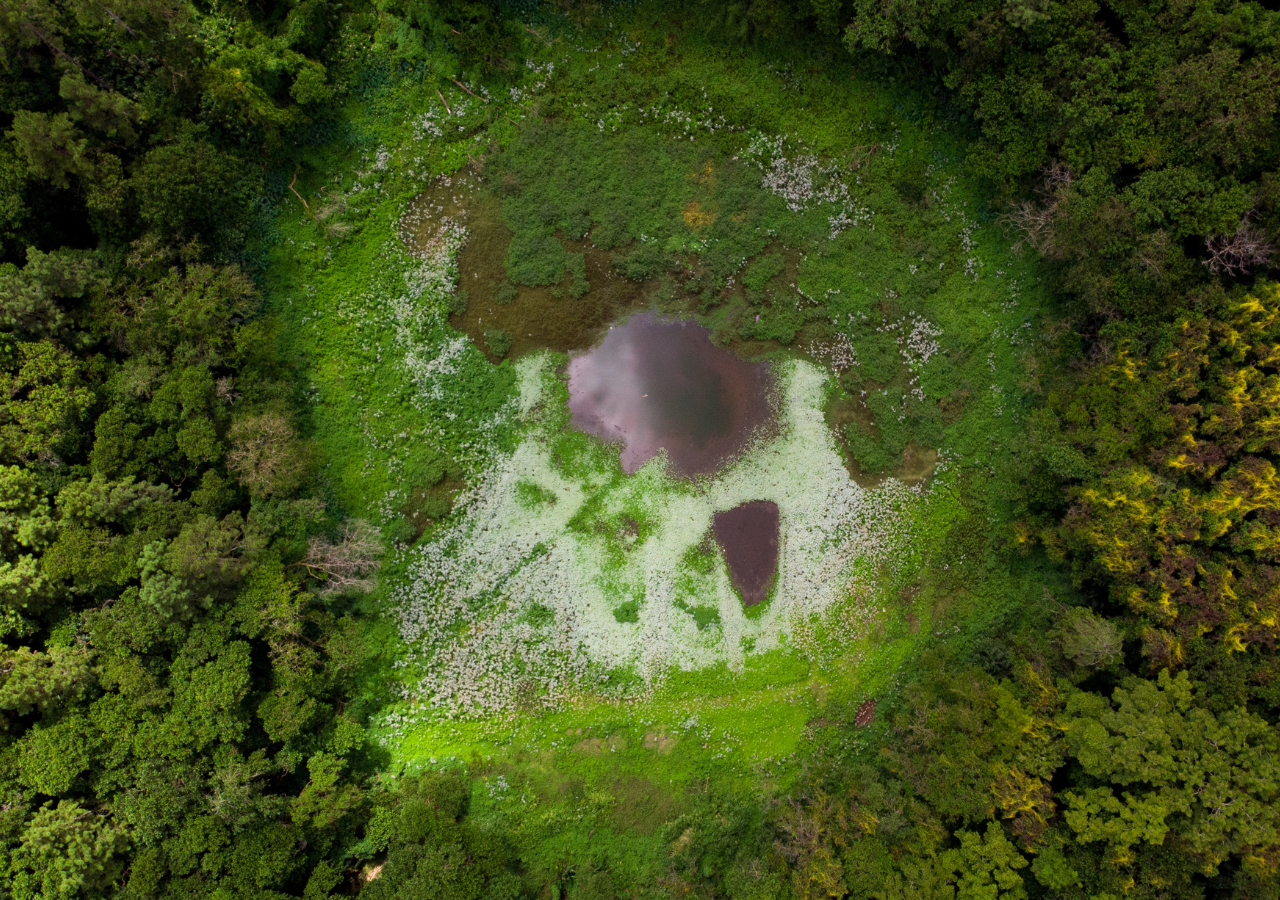
A sacred crater lake often visited alongside tea routes.
Extensive hiking trails located within the national park area.
Local hotels providing convenient access to southern sites.
High-end stays located on the southern coastline.
Join thousands of happy travelers who have discovered this incredible experience
Book Your Experience Now