

Quick answer
The classic mauritian tea recipe is strong Camellia sinensis black leaf grown at altitude, oven-dried with cured vanilla pods, then steeped four to five minutes and served sweet — often with a little milk. At Bois Chéri, tea tasting is bundled into the 525 MUR foreign-adult entry alongside the factory tour and museum, with production running mornings, Monday to Saturday.
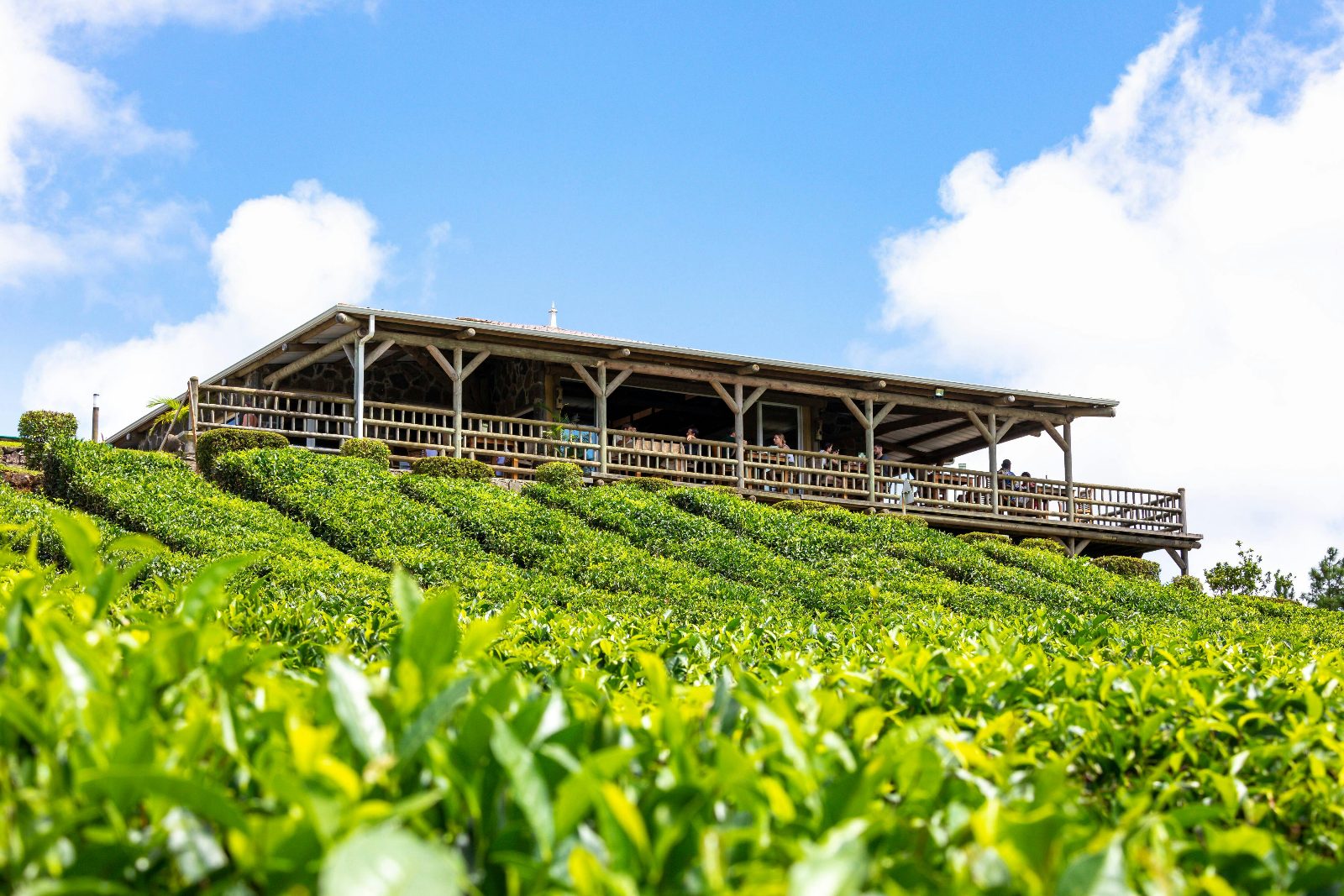
Tea reached Mauritius with French missionaries in the eighteenth century, but the plantations that define the island today are a twentieth-century answer to a sugar crash. Bois Chéri, established in 1892 on the volcanic uplands of the Savanne district, sits high enough that cloud cover slows leaf growth — the same principle that concentrates flavour in Darjeeling. What emerged is not an imitation of anything. The mauritian tea recipe is a Creole invention: robust, unapologetically sweet, and perfumed with the vanilla that grows on the same island. The method has four parts, and the factory makes each of them visible. Plucking takes the top two leaves and a bud, still done by hand across the terraced slopes. Withering removes moisture over several hours. Rolling and oxidation break the cell walls and turn the leaf from green to copper — this is where the character is decided. Firing then arrests the process in hot drying drums. Vanilla is introduced at the blending stage, either as cured pods laid among the dried leaf or as extract folded through it, which is why a Bois Chéri vanilla tea tour smells of dessert long before anything is poured. Coconut, bergamot and caramel blends follow the same logic. Brewing is the part travellers most often get wrong at home. This is a strong, briskly oxidised leaf, so it wants water just off the boil and a full four to five minutes — a short steep leaves it thin and the vanilla unsupported. Sugar is not optional in the local idiom; the tea is built around it. Milk is common at breakfast, rarer in the afternoon. The tasting pavilion above the lake serves it both ways, alongside the estate's honey and unrefined sugars, and the museum next door traces the recipe back through indenture-era kitchens and colonial ledgers. Any useful mauritian tea recipe guide ends with the same practical note: the process only runs when the leaf is being worked. Production activities at the factory concentrate in the morning hours, which means an early arrival separates a working plantation from a quiet building with a shop. Mauritius tea tours from the south coast typically pair the factory with the Route du Thé, and Sunday is closed outright. Check the dedicated hours and arrival sections below before fixing a day, then book through the site's tour pages.
“Sugar is not optional in the local idiom; the tea is built around it.”
Best Time to Visit for the Mauritian Tea Recipe Experience
To observe the traditional Mauritian tea manufacturing process, the best arrival window is between 09:00 and 11:00. Production activities at the Bois Chéri Tea Factory typically take place during these morning hours before the machinery slows down for the day.
Weekday mornings
Minimal congestion—
Visiting early on a weekday provides the highest chance to see active tea processing in the factory. It allows for a quieter experience before the facility reaches maximum capacity.
May to September
Moderate crowdsCooler, 18°C–24°C
These months offer milder temperatures, which are more comfortable for touring the plantation and walking through the grounds.
October to December
Higher tourist volumeWarmer, 22°C–29°C
This period coincides with peak travel, resulting in busier factory floors and warmer weather conditions.
Verdict: The optimal time to visit is between 09:00 and 11:00 on a weekday during the cooler months of May to September.
Bois Chéri Tea Factory Hours for Learning the Mauritian Tea Recipe
The Bois Chéri Tea Factory operates six days a week, welcoming visitors to learn about the traditional Mauritian tea process. Please note that the facility is closed every Sunday.
| Monday | 09:00–17:00 | |
|---|---|---|
| Tuesday | 09:00–17:00 | |
| Wednesday | 09:00–17:00 | |
| Thursday | 09:00–17:00 | |
| Friday | 09:00–17:00 | |
| Saturday | 09:00–17:00 | |
| Sunday | Closed |
Key Stops During Your Mauritian Tea Recipe Journey
The Bois Chéri estate offers a comprehensive look into the production of Mauritian tea, spanning from the mechanical factory floor to the scenic tasting pavilion. Visitors move through historical displays and active processing areas before concluding with a sensory evaluation of local harvests.
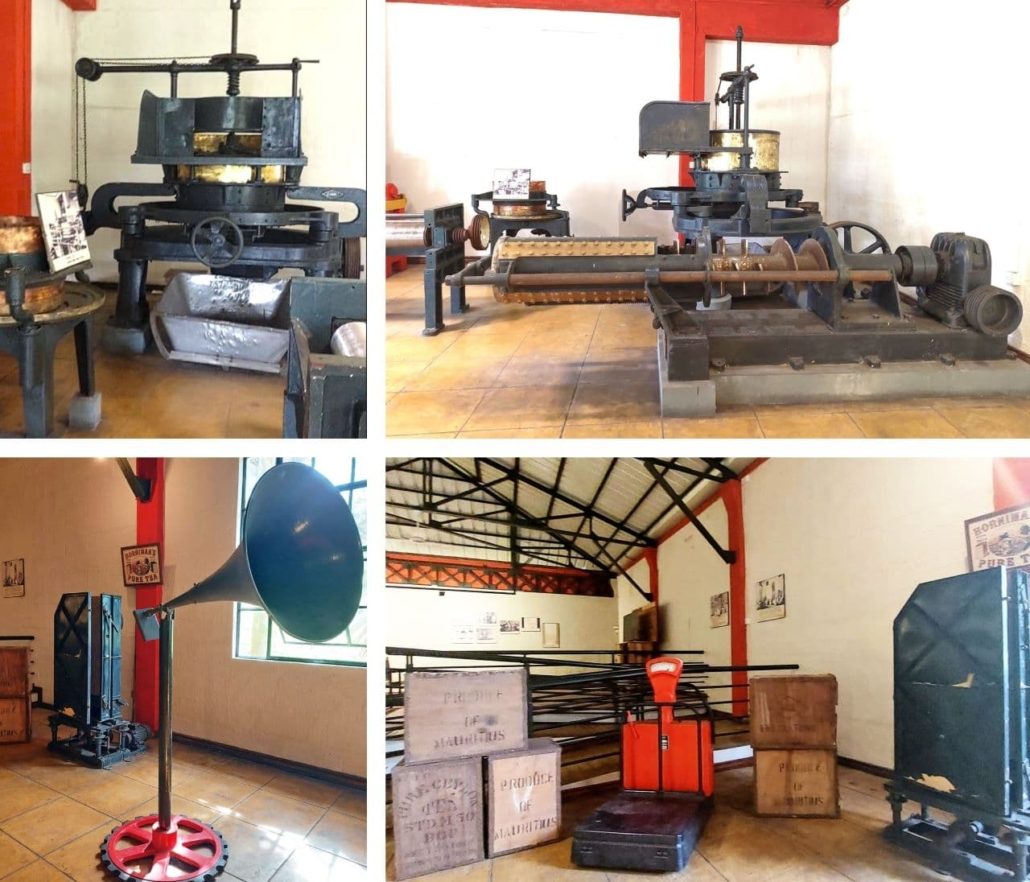
Factory Processing Floor
This area houses the industrial machinery used to wither, roll, ferment, and dry the tea leaves. Visitors can observe the transformation process as raw leaves are converted into finished tea products.
Look for machinery movement near the drying racks to see active production.
Tea Museum
The museum showcases the history of tea cultivation in Mauritius, featuring antique equipment and photographs from the estate's founding. It provides context on the evolution of tea production methods since the 19th century.
Read the wall plaques to understand the estate's chronological development.
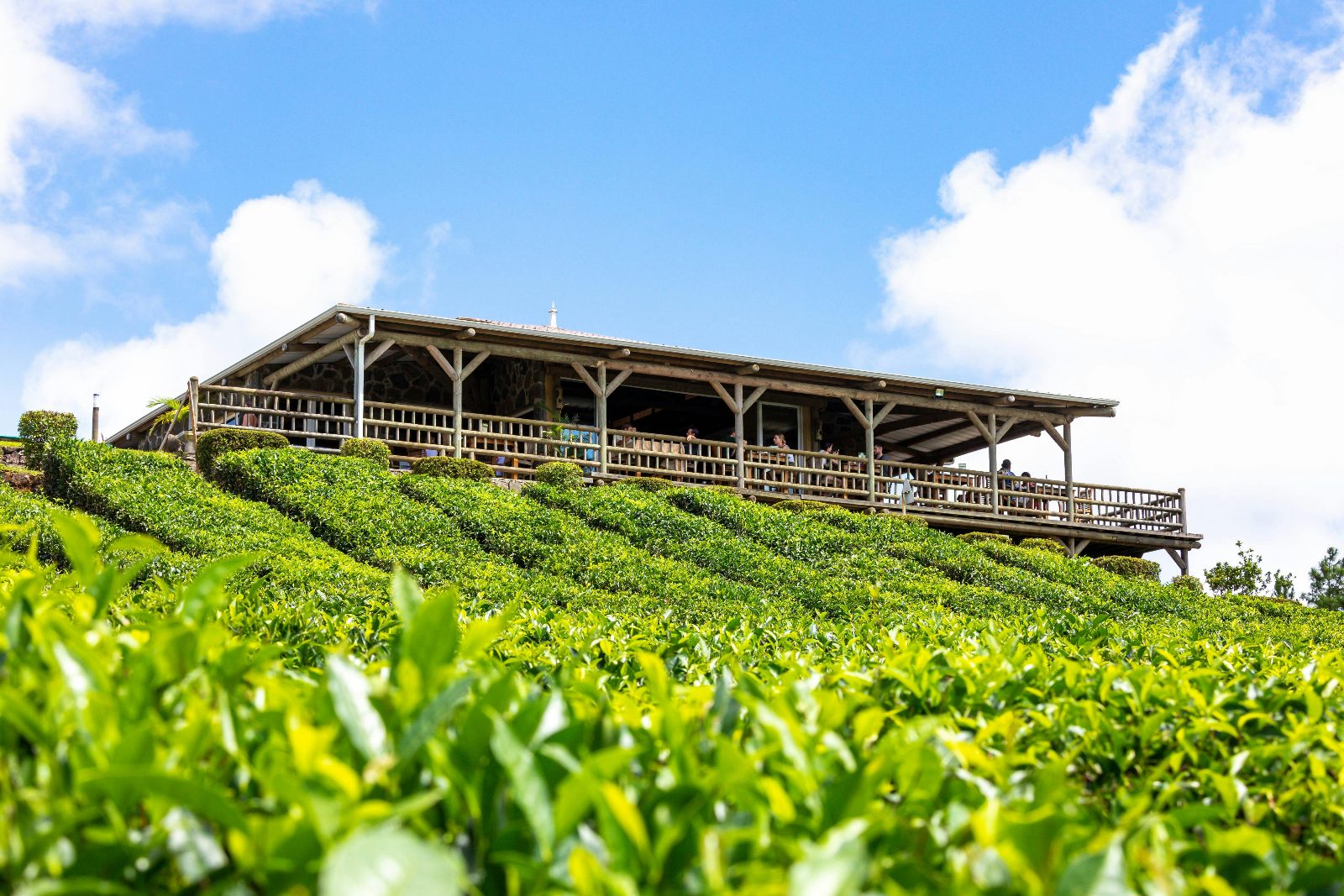
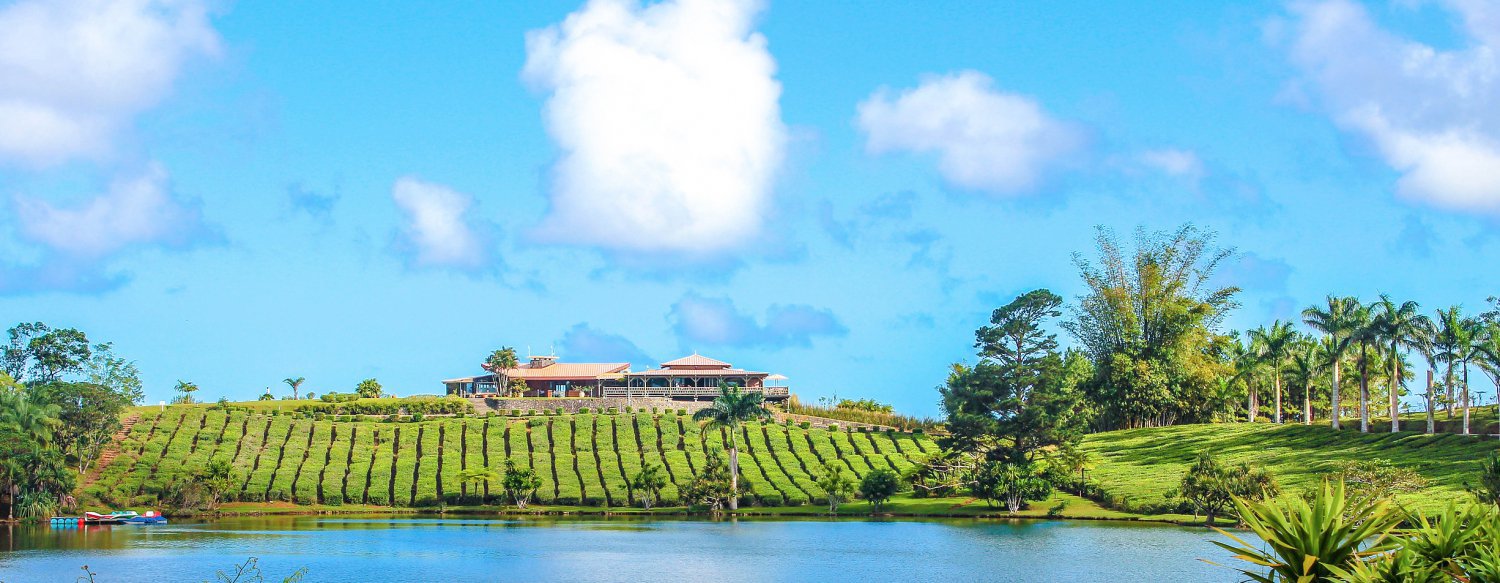
Tasting Pavilion
Located with views of the estate, this pavilion allows guests to sample various tea blends, including flavored options like vanilla, coconut, and bergamot. It serves as the final stop after exploring the production facilities.
Sit near the window to view the tea fields while tasting.
Getting to the Factory to Explore the Mauritian Tea Recipe
The Bois Chéri Tea Factory is located in the southern highlands of Mauritius within the district of Savanne. Accessing the estate is most efficient by private vehicle or taxi, as public transport options to this rural area are limited.
Follow the B91 road towards Bois Chéri; follow signage for the tea factory
Direct hire from major hubs like Port Louis or Flic-en-Flac
Take a regional bus to the Bois Chéri village stop, followed by a local taxi or walk
Check availability
Frequently asked questions about mauritian tea recipe
Everything you need to know about mauritian tea recipe